Abkhazia. Come here to rest!
2017
Abkhazia was an autonomous republic within the Georgian Soviet Socialist Republic during the Soviet Union. In 1990 it declared independence – something Georgian nationalists naturally refused to accept. Two years later, in 1992, fighting broke out when the Georgian National Guard entered the Abkhaz capital of Sukhumi. The war lasted a year and claimed around eight thousand lives. With help from volunteers from other parts of the Caucasus – mainly Cossacks and Chechens – the Abkhaz forces managed to drive the Georgians out. More than 250,000 Georgians, who once made up nearly half of the region’s population, were forced to flee.
Only Russia, Venezuela, Nicaragua, a handful of small Pacific island states, and other unrecognized territories such as South Ossetia, Nagorno-Karabakh, and Transnistria have acknowledged Abkhazia as an independent country.
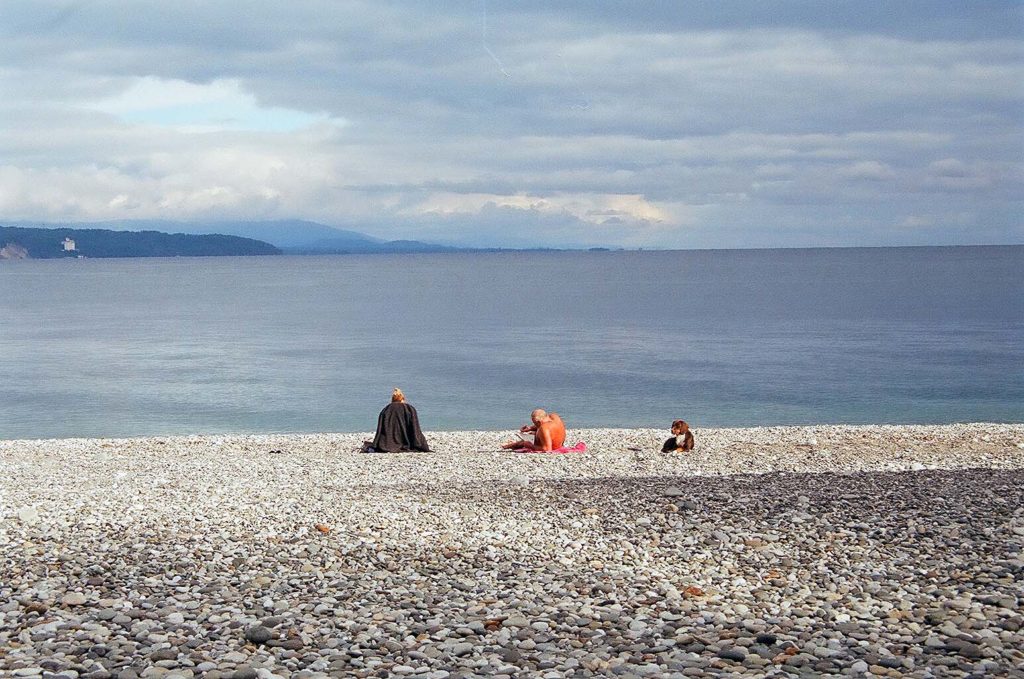
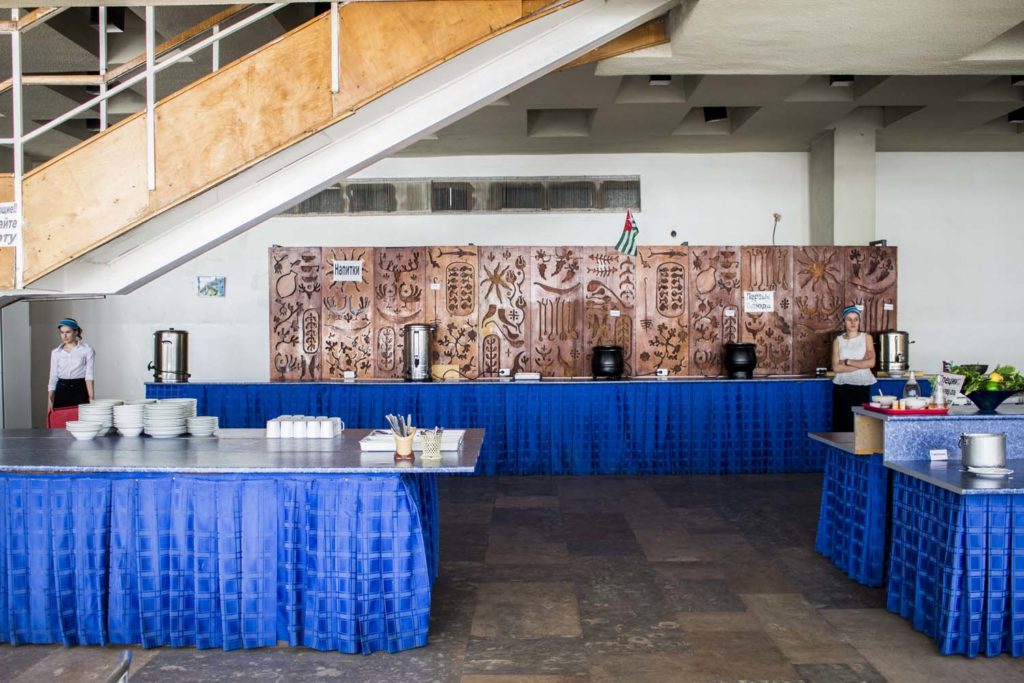
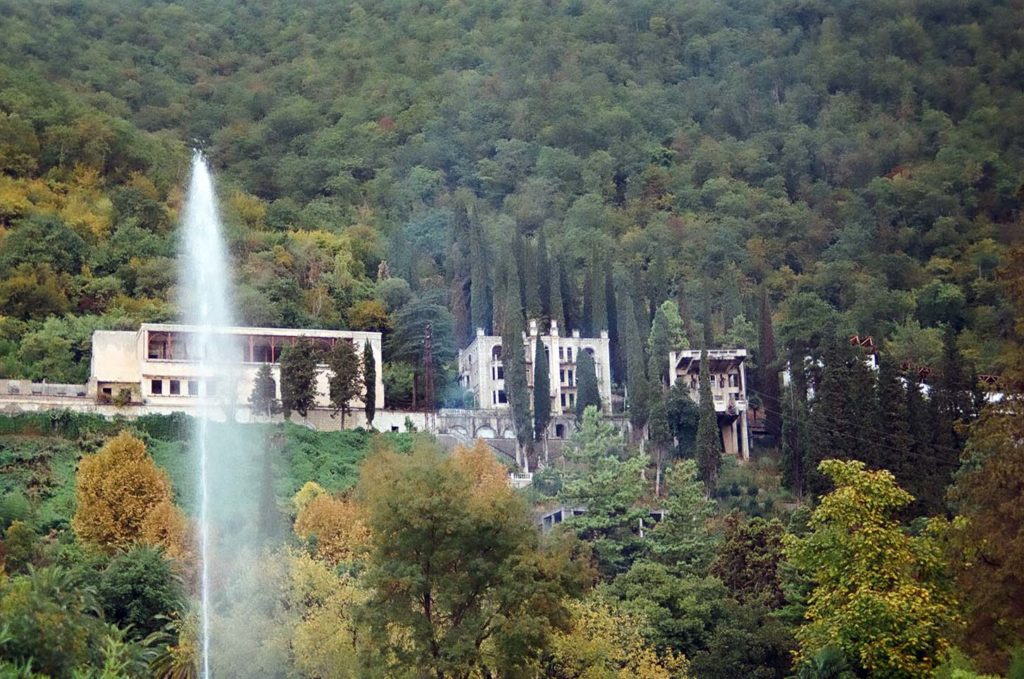
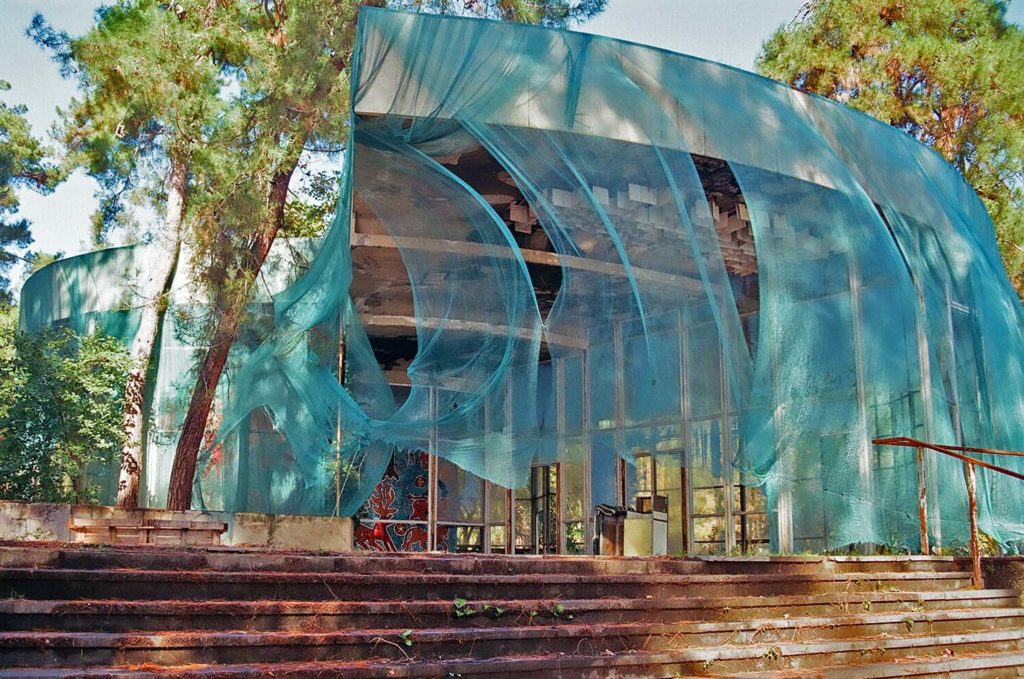
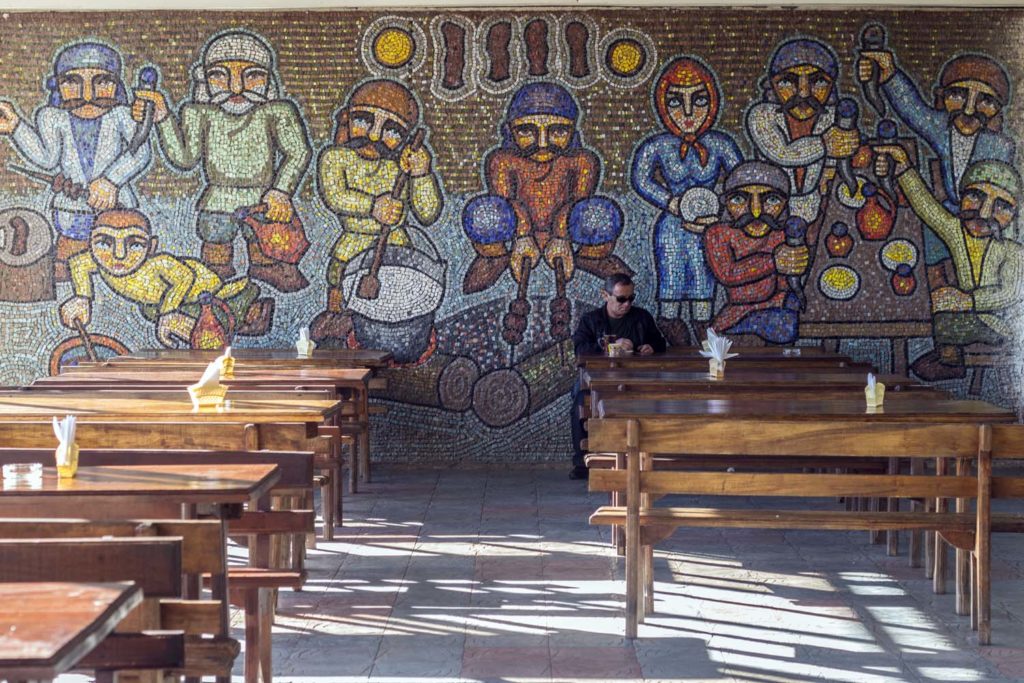
The decision to visit Abkhazia came naturally from my interest in the spa and recreational architecture of the region – here, more than anywhere else, sanatoriums and hotels have remained intact in their original form. During the Soviet Union, this subtropical strip along the Black Sea was the most popular holiday destination.
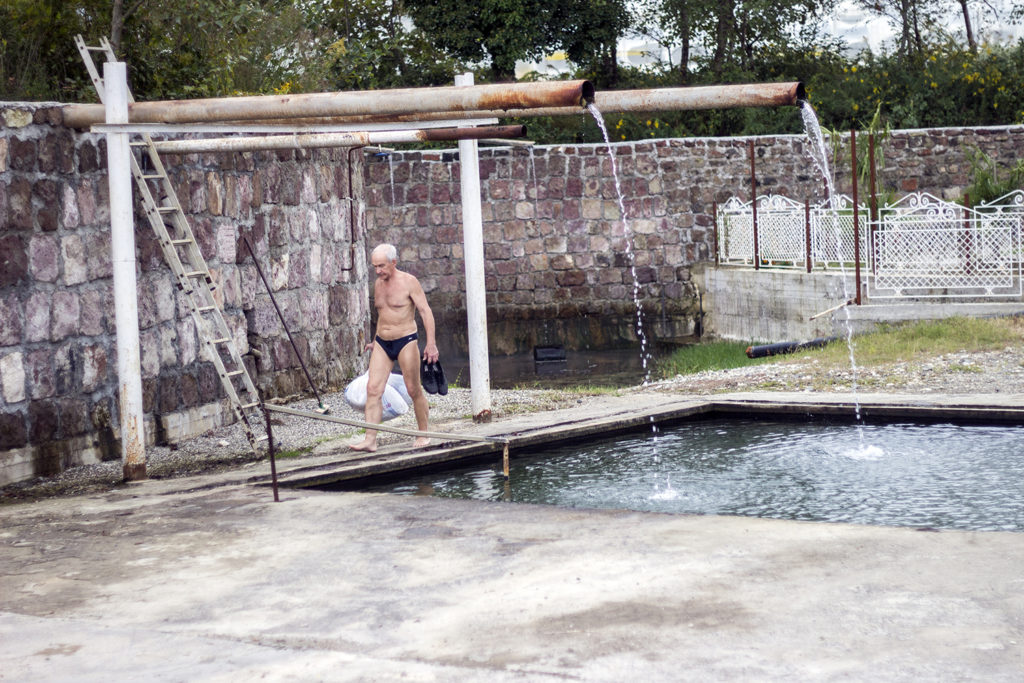
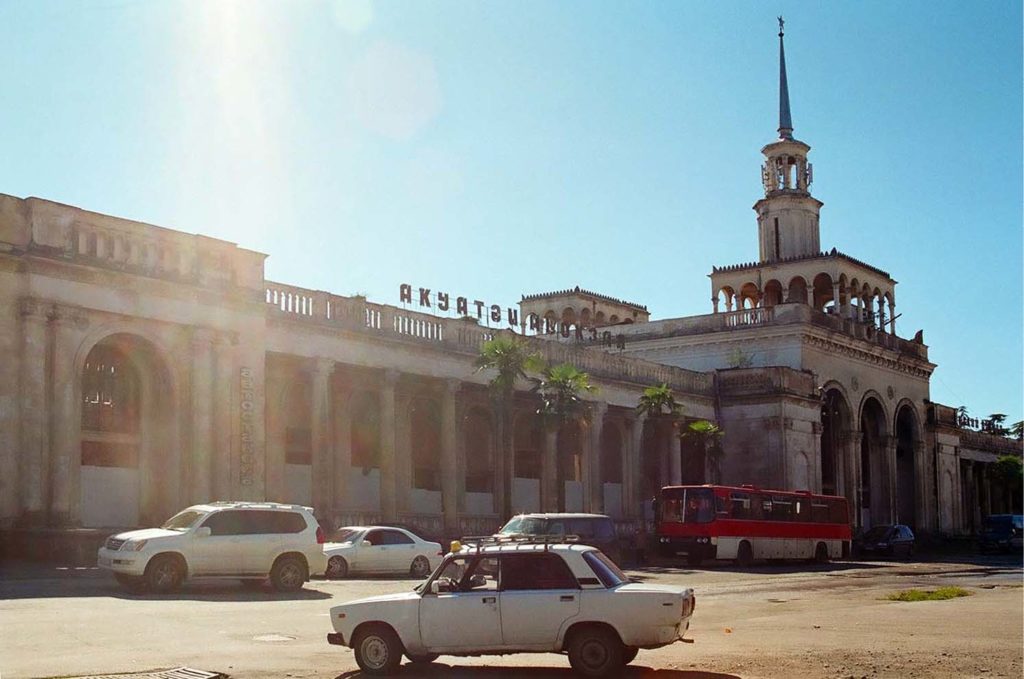
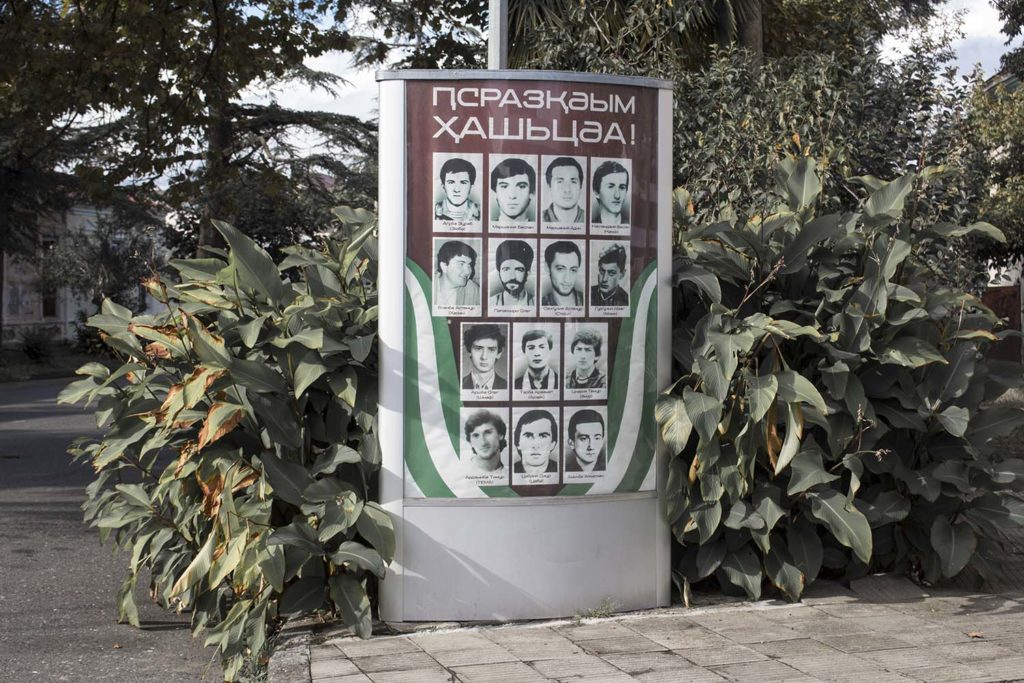
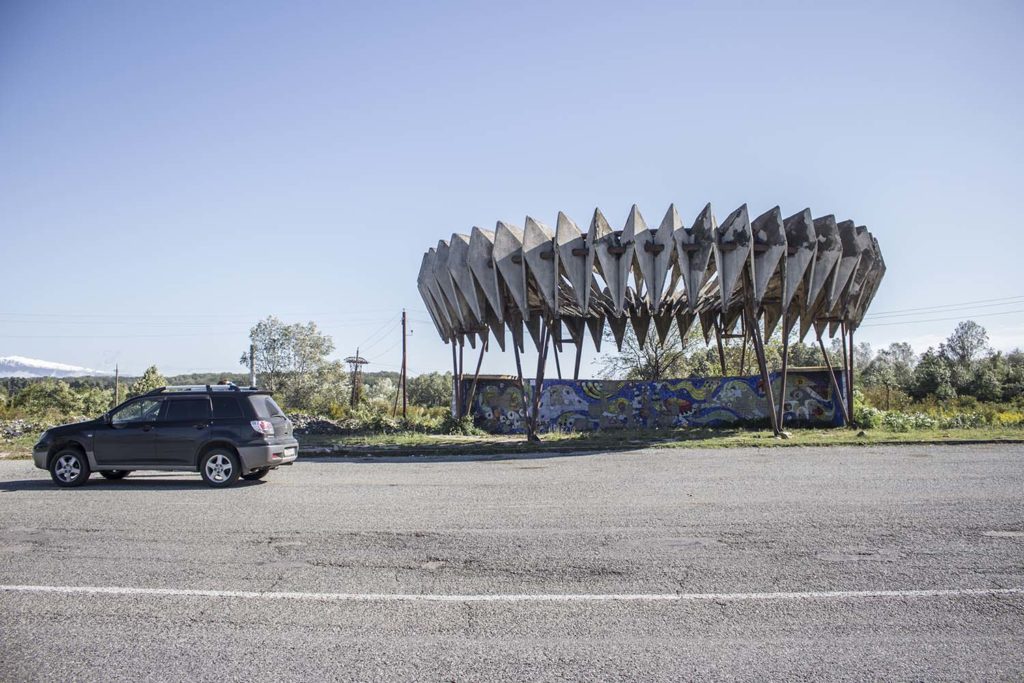

There are only two ways to enter Abkhazia: either through Sochi with a Russian visa, or—simpler and cheaper for us—from Georgia, across the Inguri Bridge, with a permit arranged in advance from the Abkhaz Ministry of Foreign Affairs. Transit through Abkhazia is not allowed, and entering from Georgia is even considered a criminal offense.
Surprisingly, the crossing at Inguri is busy. Crowds of people pass every day—mostly Georgians from the nearby border town of Gali. It is the only place to which Georgian residents were allowed to return after the conflict. Every day they cross to Zugdidi to sell or buy goods at the market, to see a doctor, or go to the bank. Each time they return home, they must undergo the same humiliating border procedure.
Georgia and most of the world never recognized Abkhazia as a state, and so on the Georgian side, the “border” is just a police checkpoint. On the other side stands a military base with Russian soldiers, asking unfriendly questions before eventually letting us through. The Abkhaz checkpoint looks even more neglected than the Georgian one—just a row of taxis and marshrutkas. We realize the time has changed: it’s an hour later here. Abkhazia uses not only the Russian ruble and a Russian mobile network, but also Moscow time.
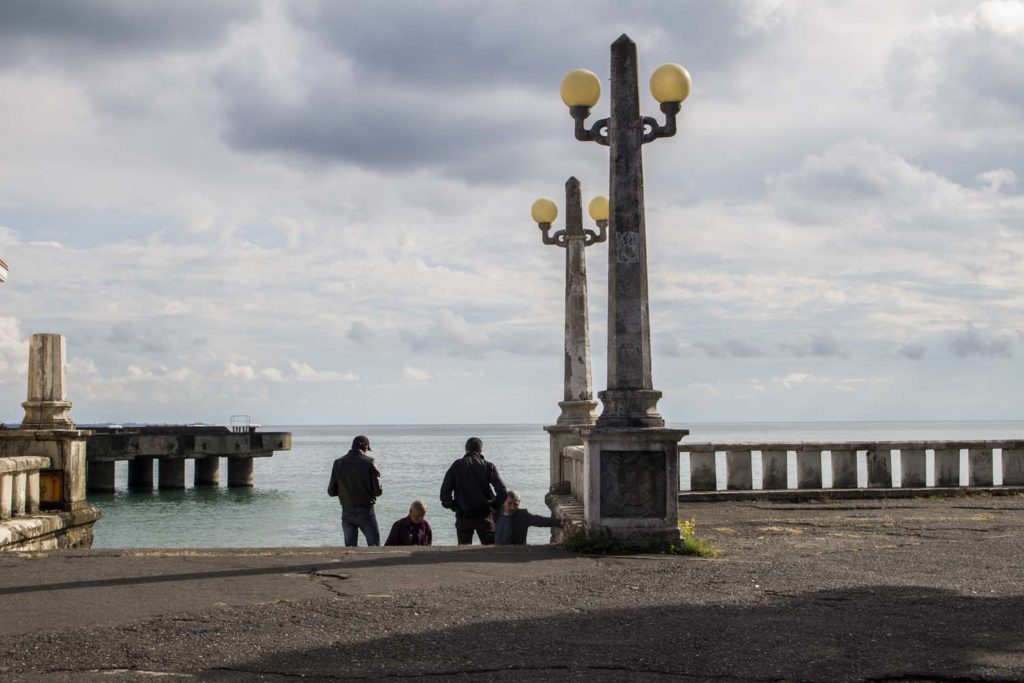
Our destination is the capital, Sukhumi, and the seaside towns of Gagra and Pitsunda. Sukhumi feels like a sleepy coastal resort—slightly worn down, but alive. The promenade and the iconic buildings are crumbling, yet the city has its rhythm: old men play chess, cafés are full, people sit on benches and watch the sea.
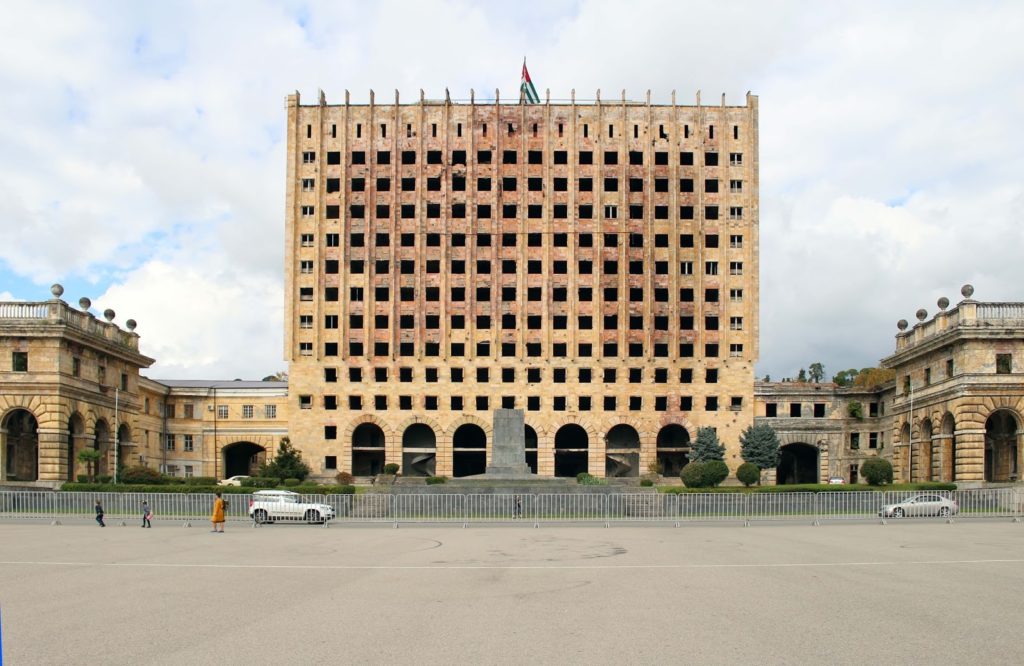
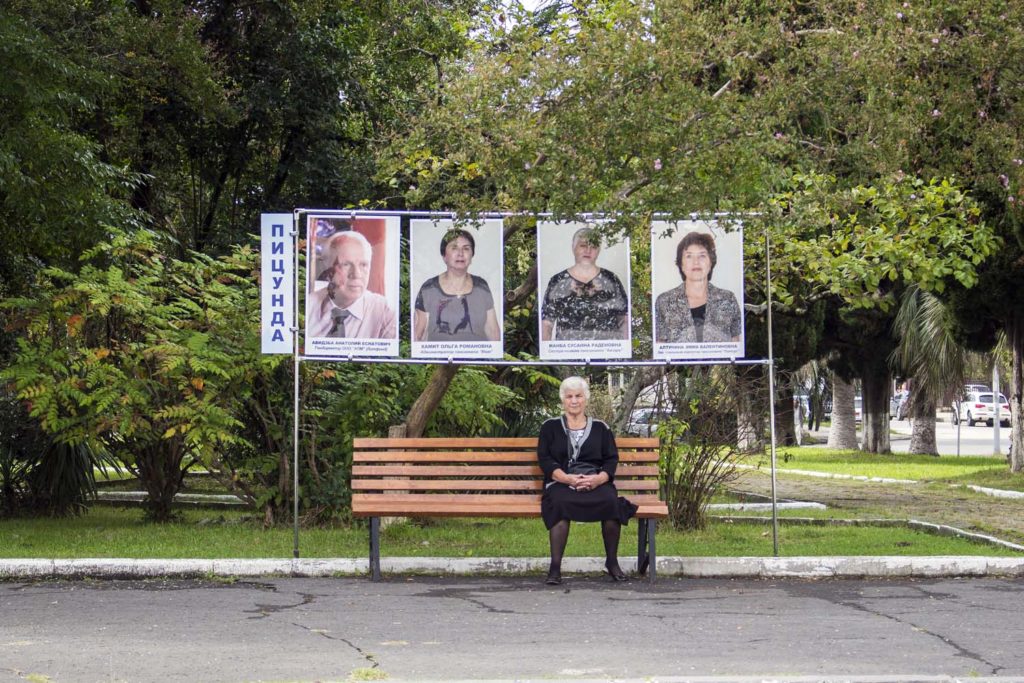
A local “Forrest Gump” shows us his two passports—Abkhaz and Russian. He laughs, saying he could travel nowhere except Russia, maybe Venezuela or Nauru—“the only countries that recognize us,” he adds. In the city center, the war is memorialized by the ruin of the former parliament building. Along the main square, portraits of “exemplary workers” from all over the republic hang in neat rows. The Soviet past still feels close here.
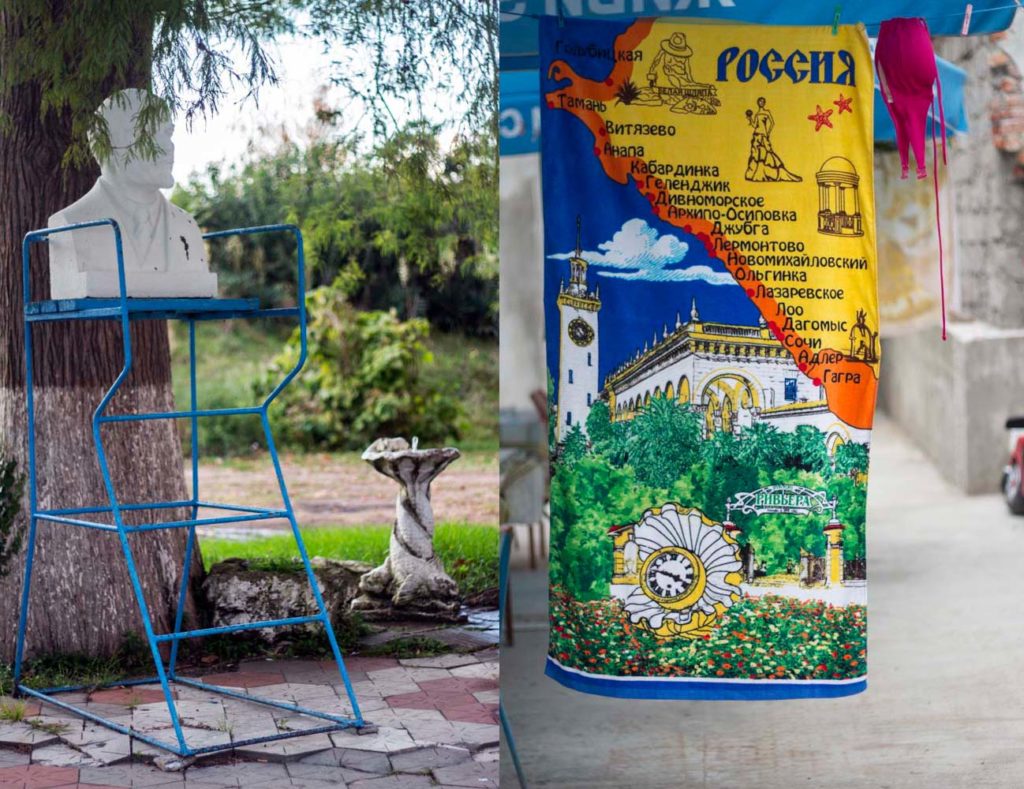
From Sukhumi to the Russian border, new roads have been built; in summer, a train even runs from Moscow. Russian tourists still swim in the Black Sea—they are, in fact, the only visitors to this subtropical land. On television, there are only Russian programs. Putin suddenly appears on the screen, speaking to us without warning.
We wonder if our impression of the country would be different had we entered from Sochi, without knowing the context. But as it is, we mostly sense an emptiness that follows us everywhere: abandoned houses once belonging to displaced Georgians, entire deserted streets and housing blocks. Instead of the expected mandarin plantations, there are fields overgrown with weeds and neglected cemeteries. In the evening, the restaurants stand empty. The hotels still function but remain closed.
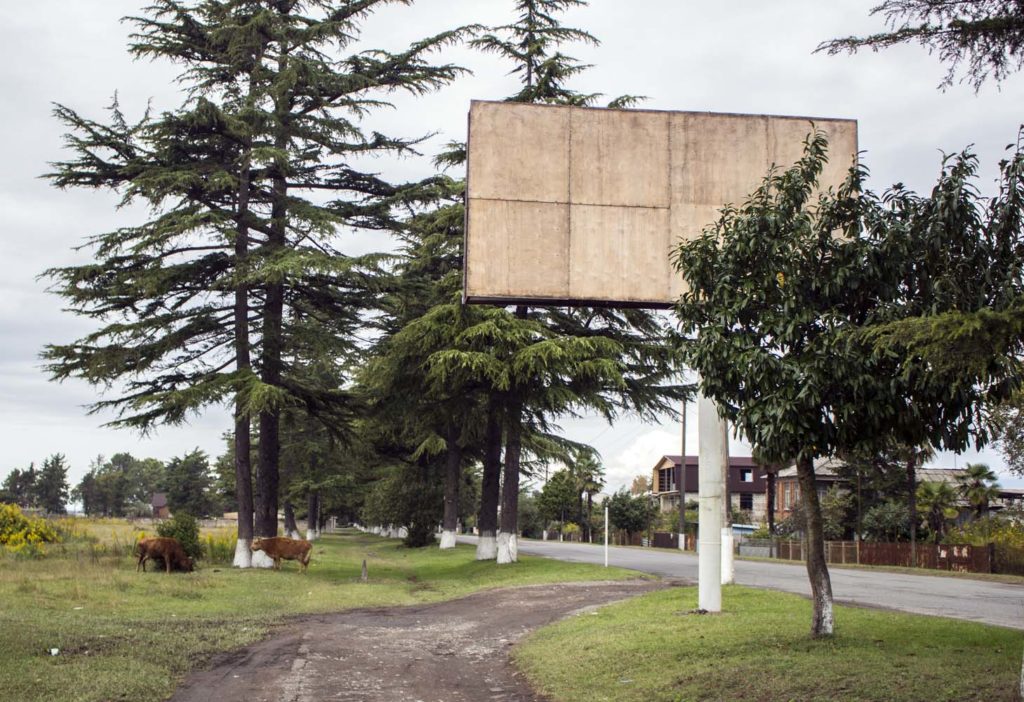
On the streets, only three kinds of billboards appear: for the sole mobile operator, for the Abkhaz president, and for the heroes who died in the Georgian–Abkhaz war. Russian tourists go no further than Sukhumi; beyond it, toward the Georgian border, the landscape grows darker and more desolate—kilometers of untilled land, tank tracks imprinted on the concrete bases of power lines.
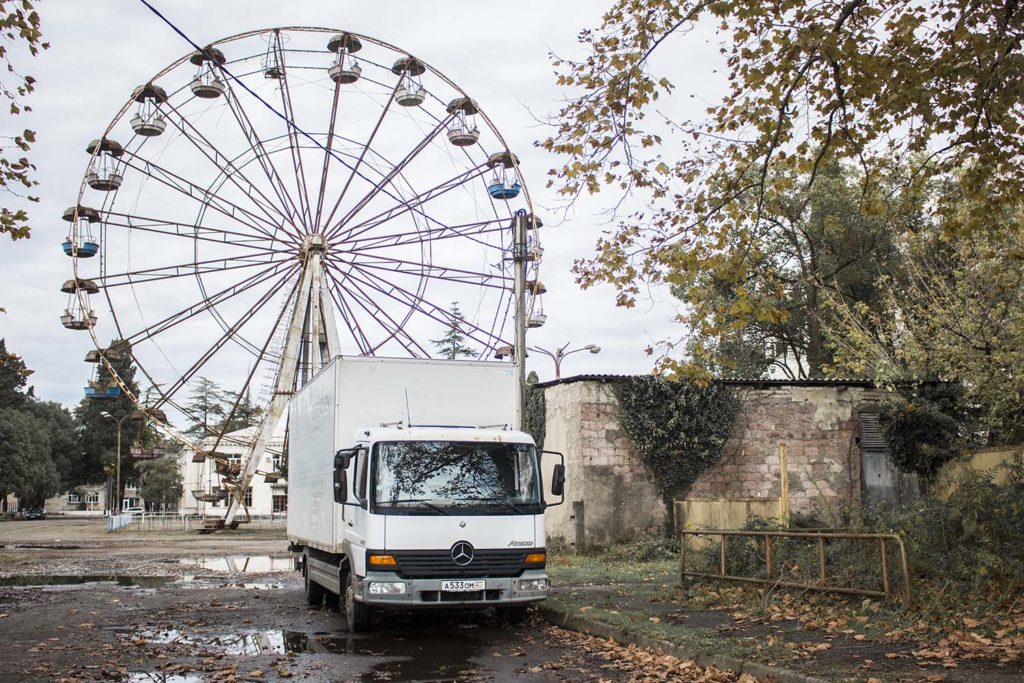
We decide to end our journey in Ochamchira, once a popular seaside resort. Before the war, seventy percent of its thirty thousand inhabitants were Georgian. Today, only about three thousand remain. We pass an abandoned thirteen-story hotel and, in the very center, a motionless Ferris wheel. Here, there are not just empty houses, but entire empty streets. Foreigners no longer come this far, so finding a place to stay is harder—but people are more open, and we can finally speak about things we didn’t dare mention before.
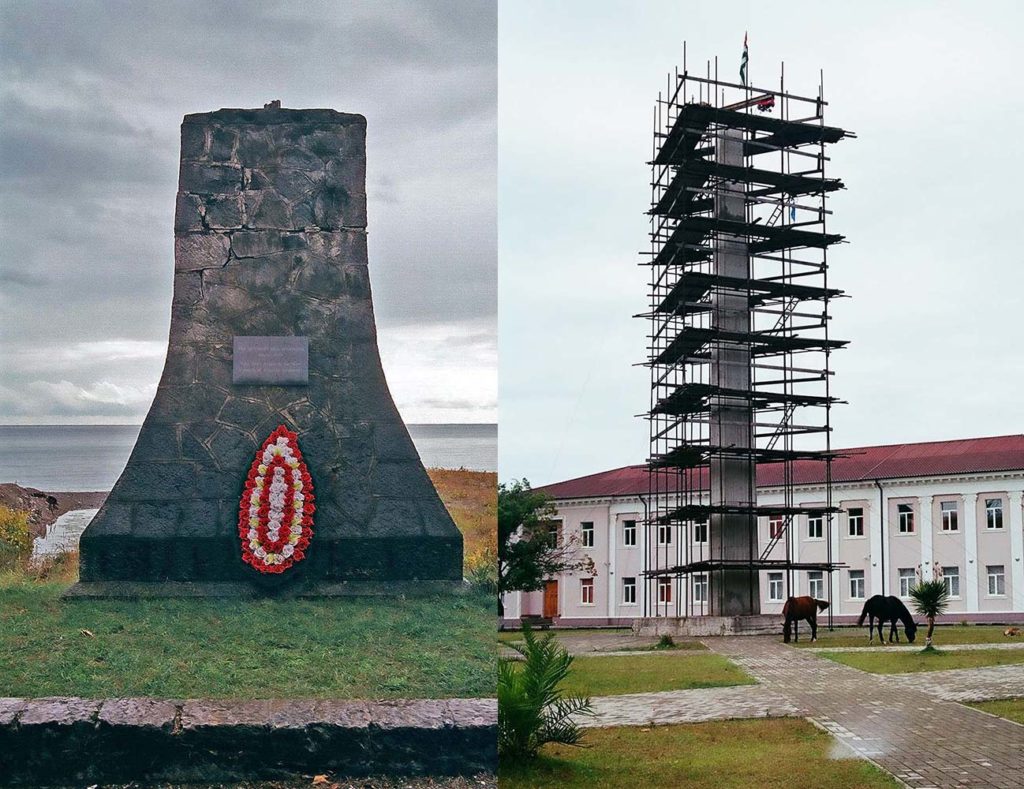
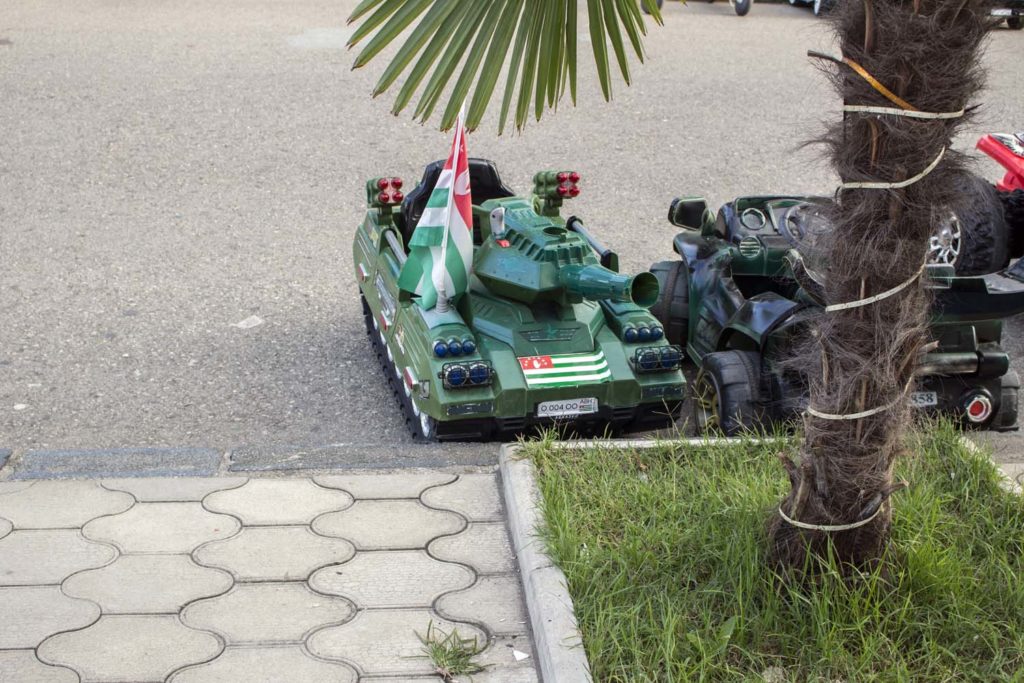
Unlike the more touristic west, in Ochamchira the post-apocalyptic reality of the country truly settles in. On the crumbling promenade, children in military uniforms march beneath a scaffolded monument. Around us—empty houses still marked by bullet holes. Secret police watch us and eventually force us to delete photographs of the abandoned homes. And yet, amid all that, there is still a kind of joy: that we came at all, and the same warm invitation from everyone—
“Priyezzhayte otdykhat!” — Come in summer, come here to rest!