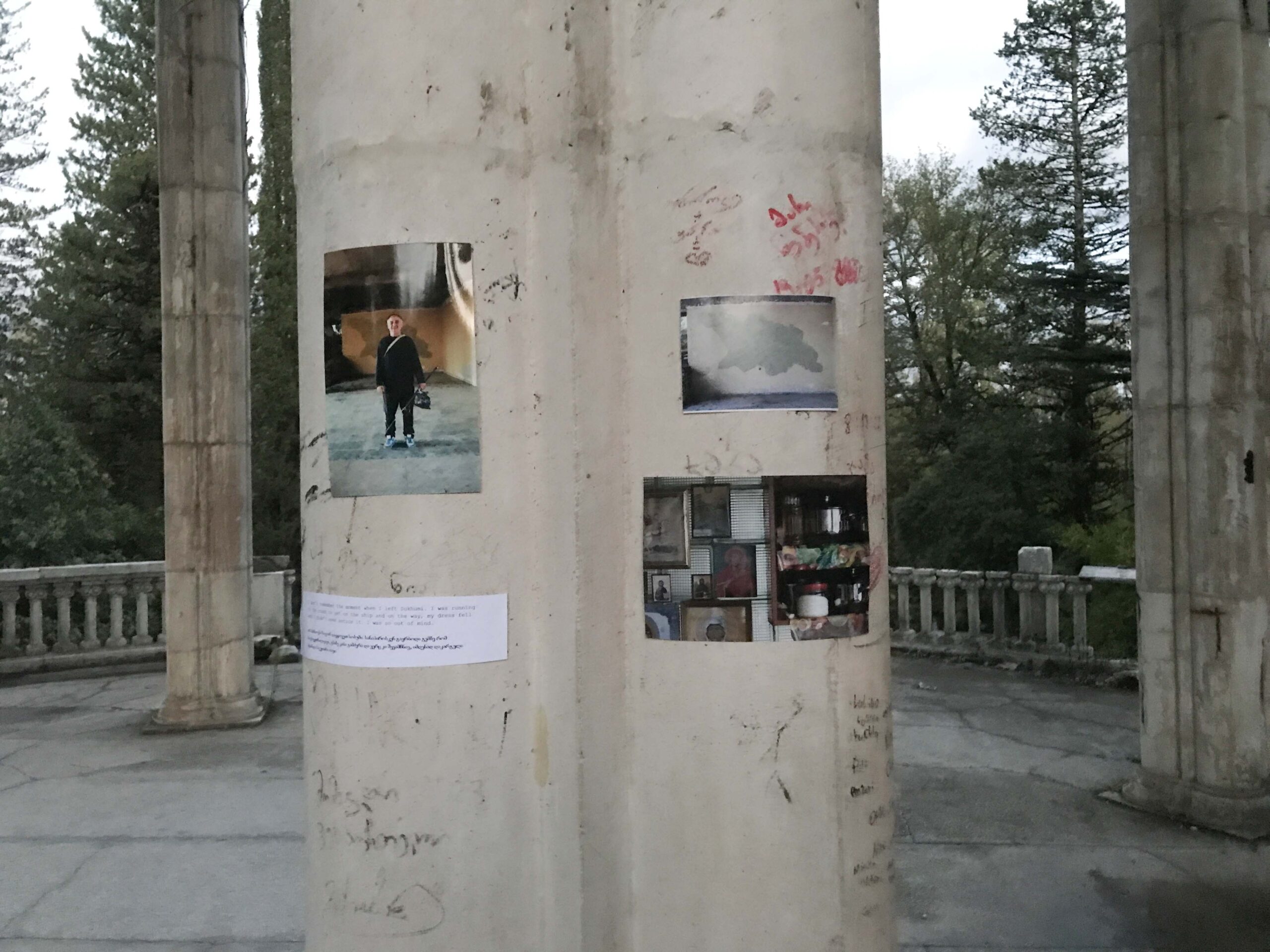
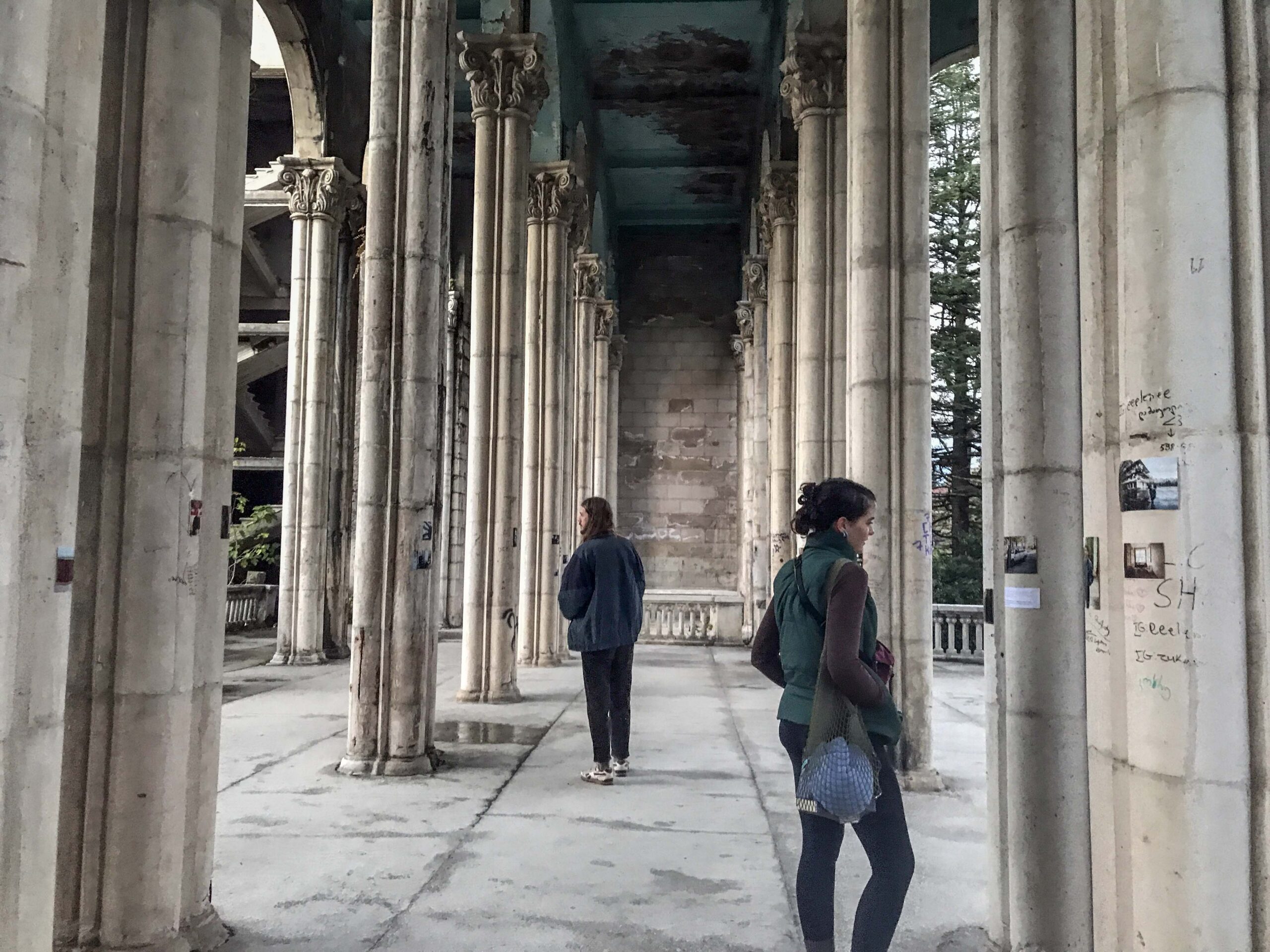
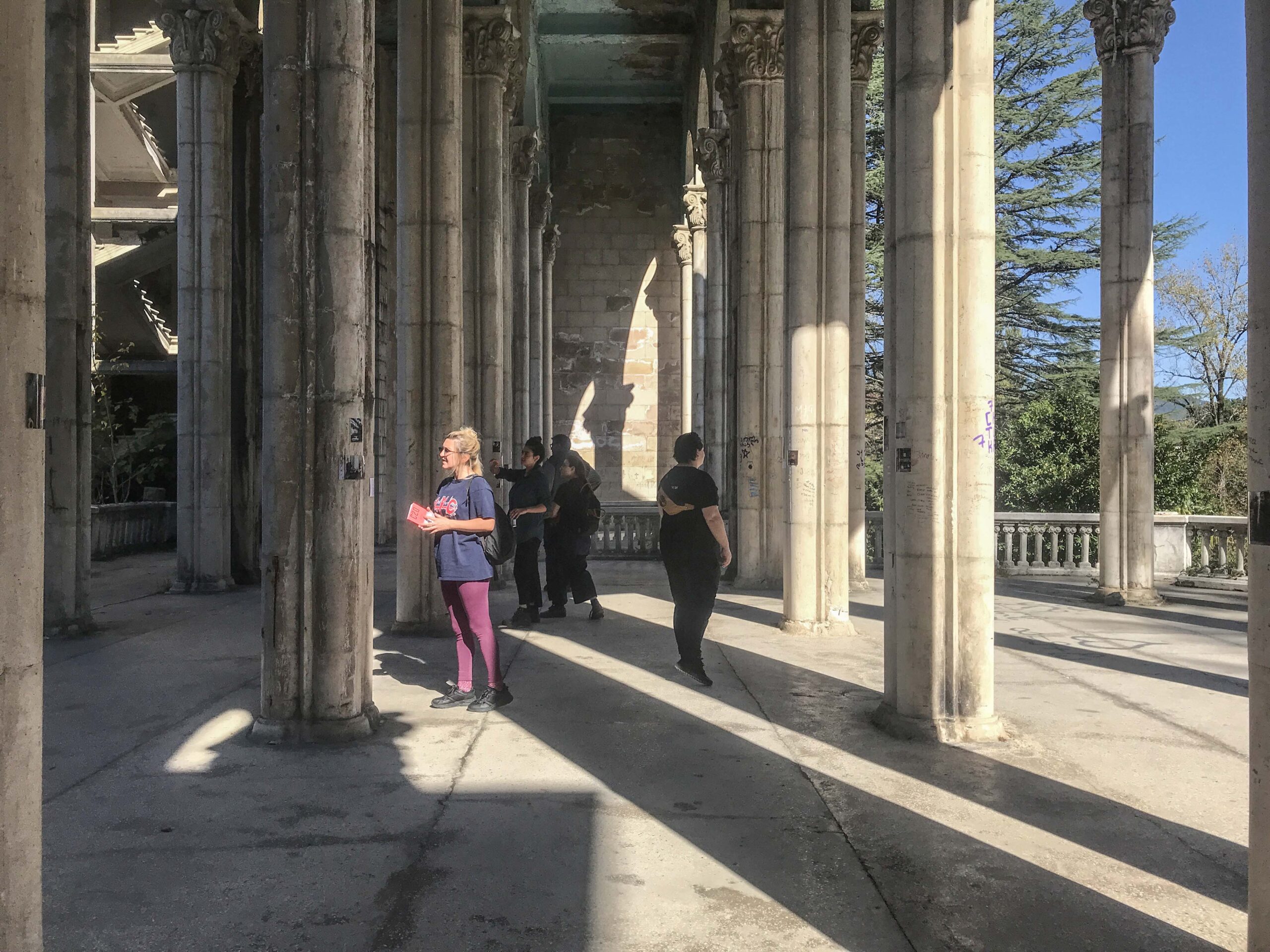
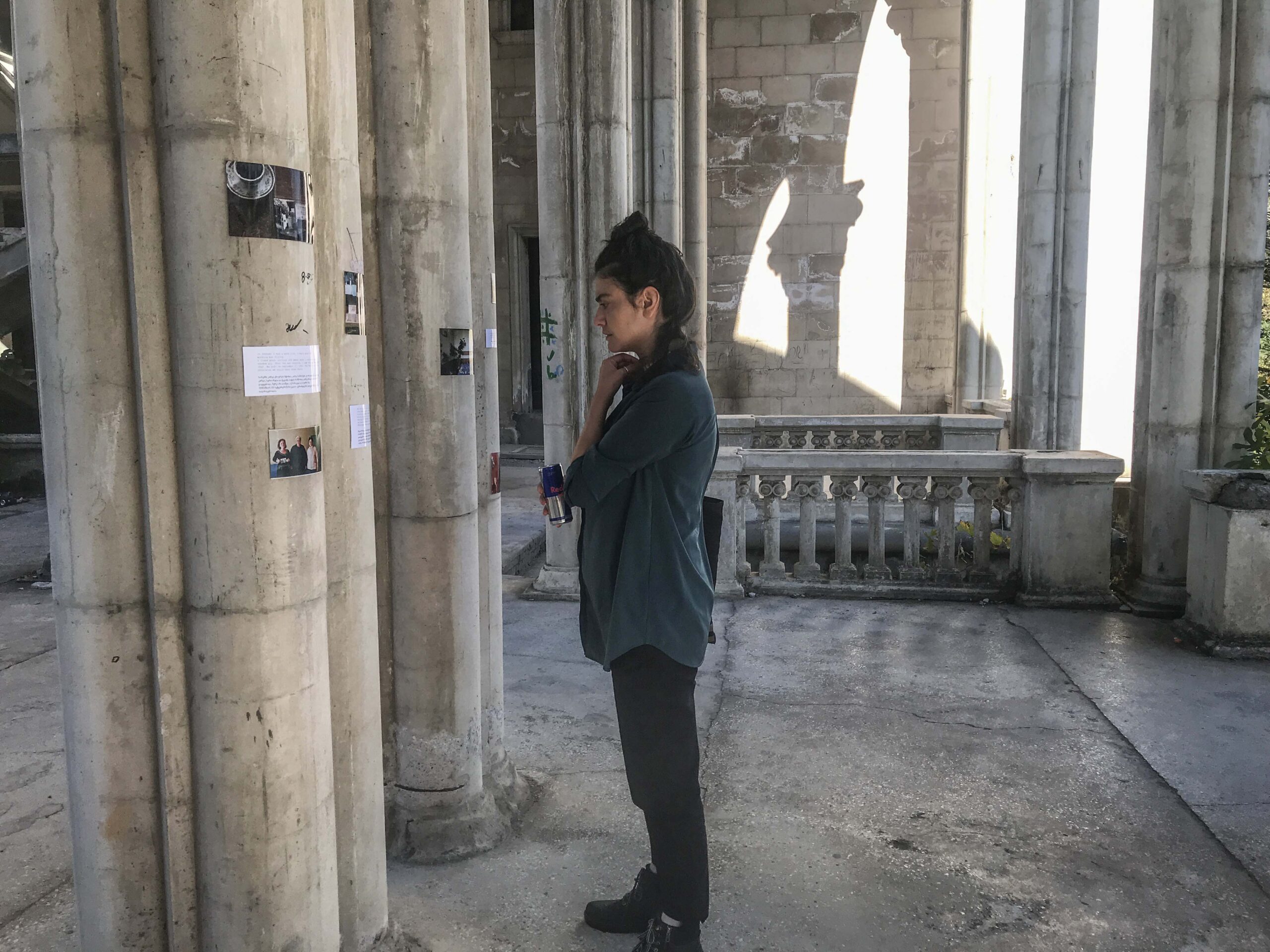
Displaced archive

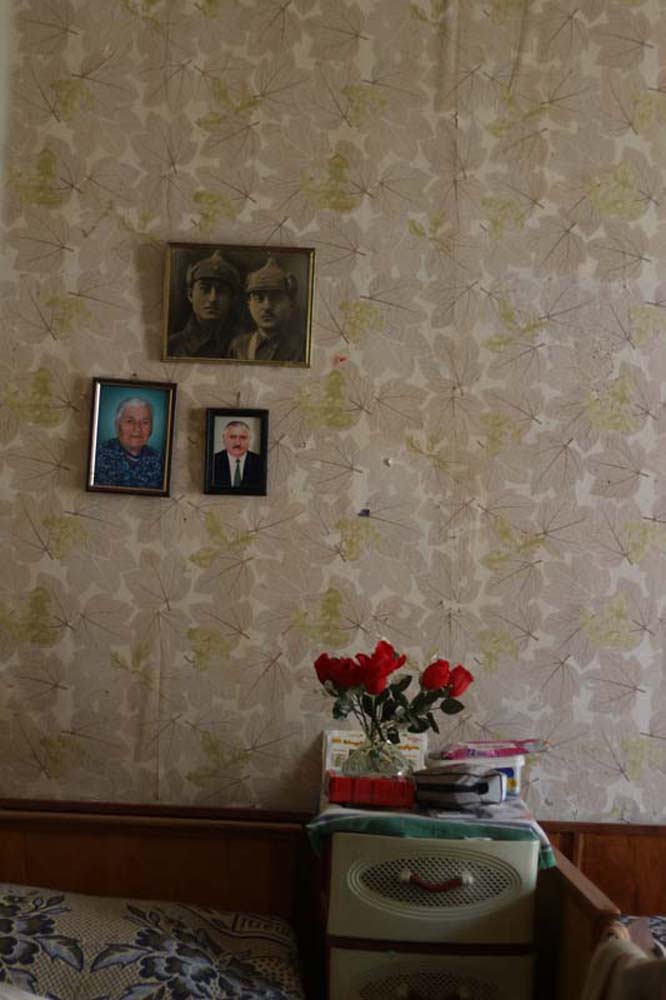
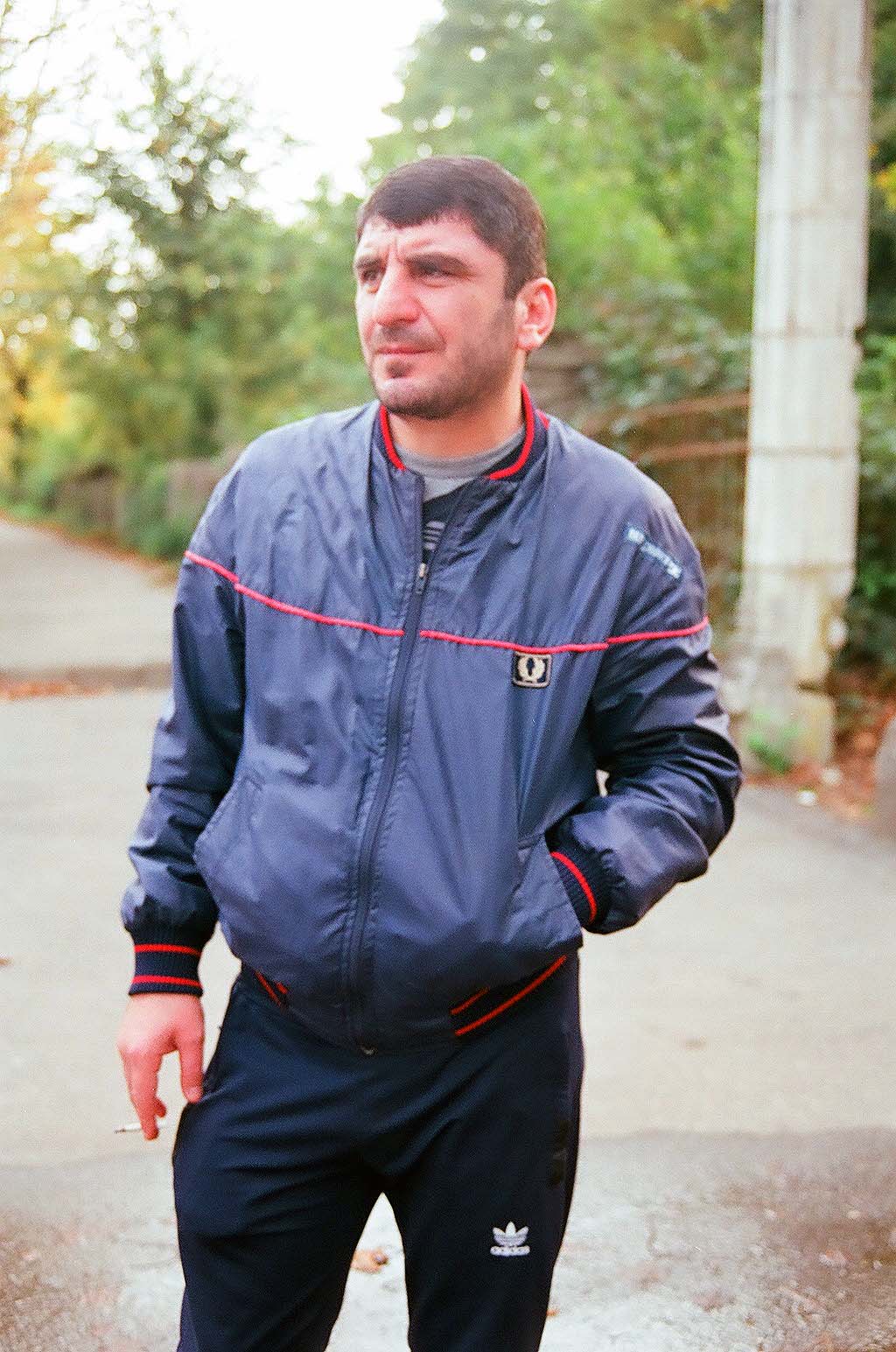
“The most pleasant memory from this place is the people I lived with. I often remember them – we had fun together, we talked, we went through a thousand hardships, and some died. I remember everyone. But still, I dream of Abkhazia every night.”

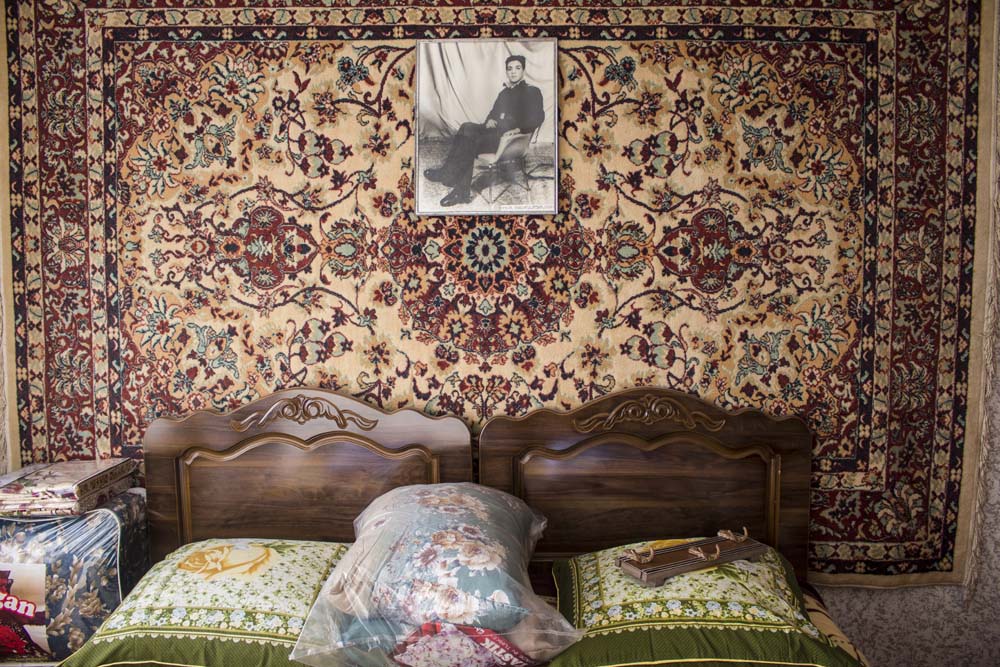
“When we moved to this sanatorium, I had a feeling that I was in prison. I was used to the open space, when you have your house, everything is yours and suddenly you have to live in one room, which serves as your living room, bedroom, kitchen. When I realized that we are all united here, we are all in trouble, it was no longer difficult for me to adapt.”

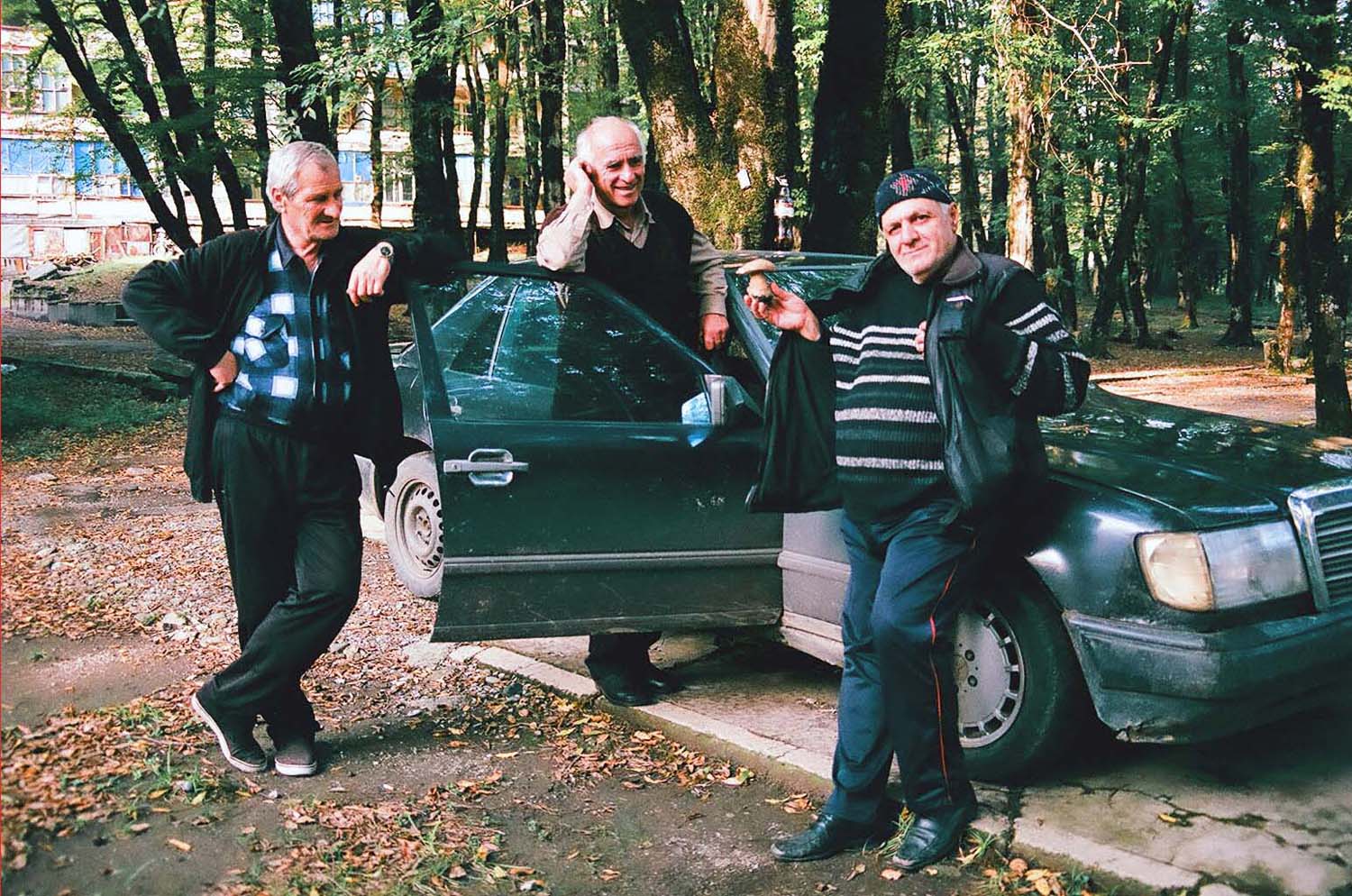
“Although we were in pain, the sound of singing always came from our sanatorium. Locals would say about us – these refugees are crazy, how can they sing?! Standing together saved us. If not that, we wouldn’t have survived.”
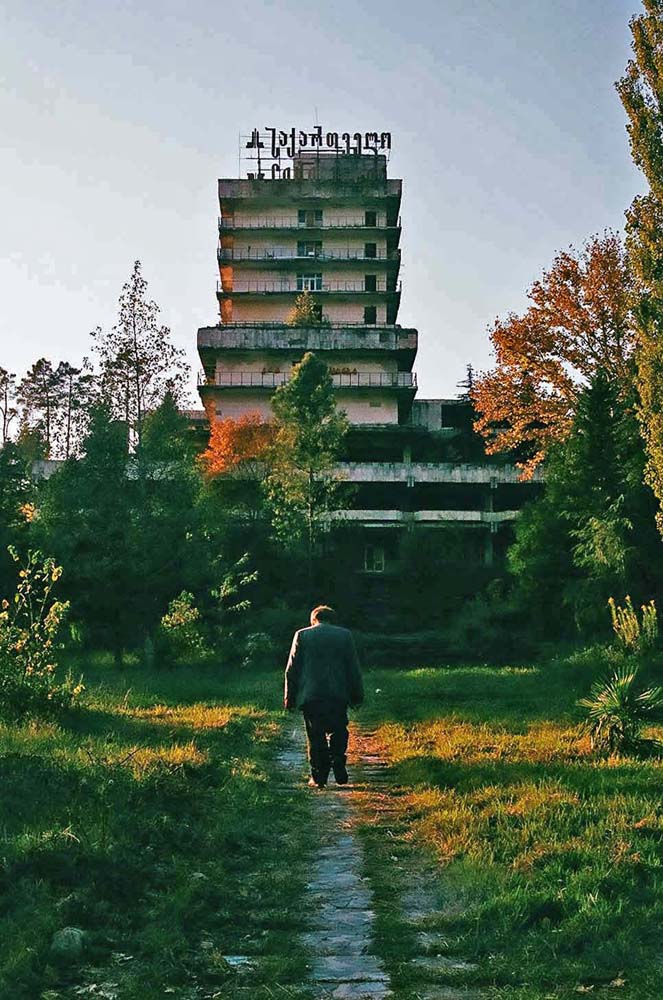
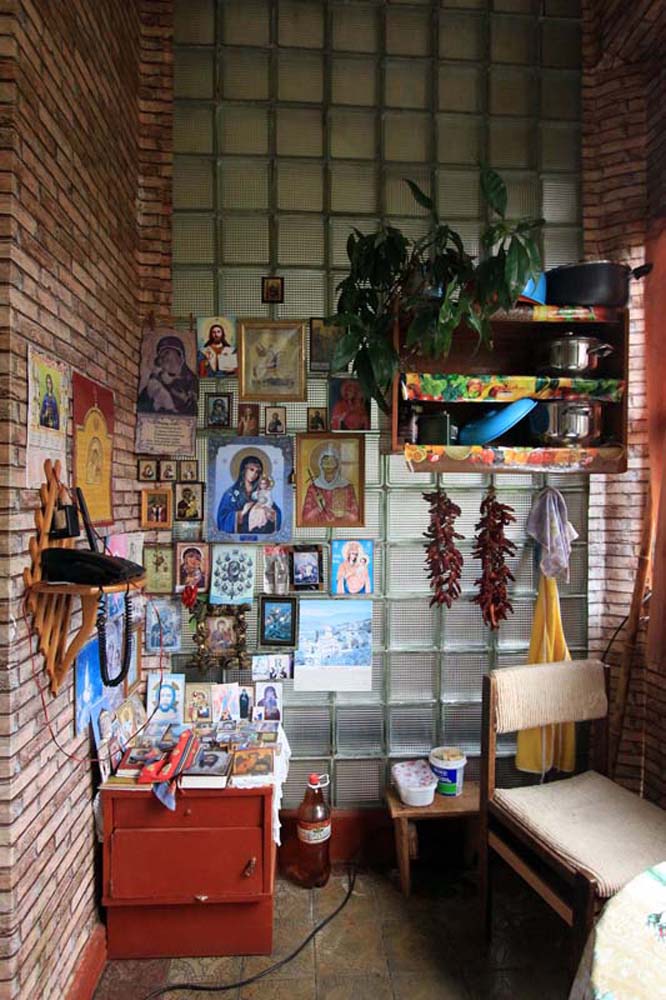
“The war started on August 19, and we moved here around mid-November. There was a horror happening in Sukhumi. The only way was to leave by train till Zugdidi. The train was overcrowded, with the lights off. We were lying under the seats and the weapons were flying over our heads. It took eight hours for us to reach Ingiri. We would move a bit, then the train would stop and wait when the noise would disappear, then it would continue. This was the road that never ended.”

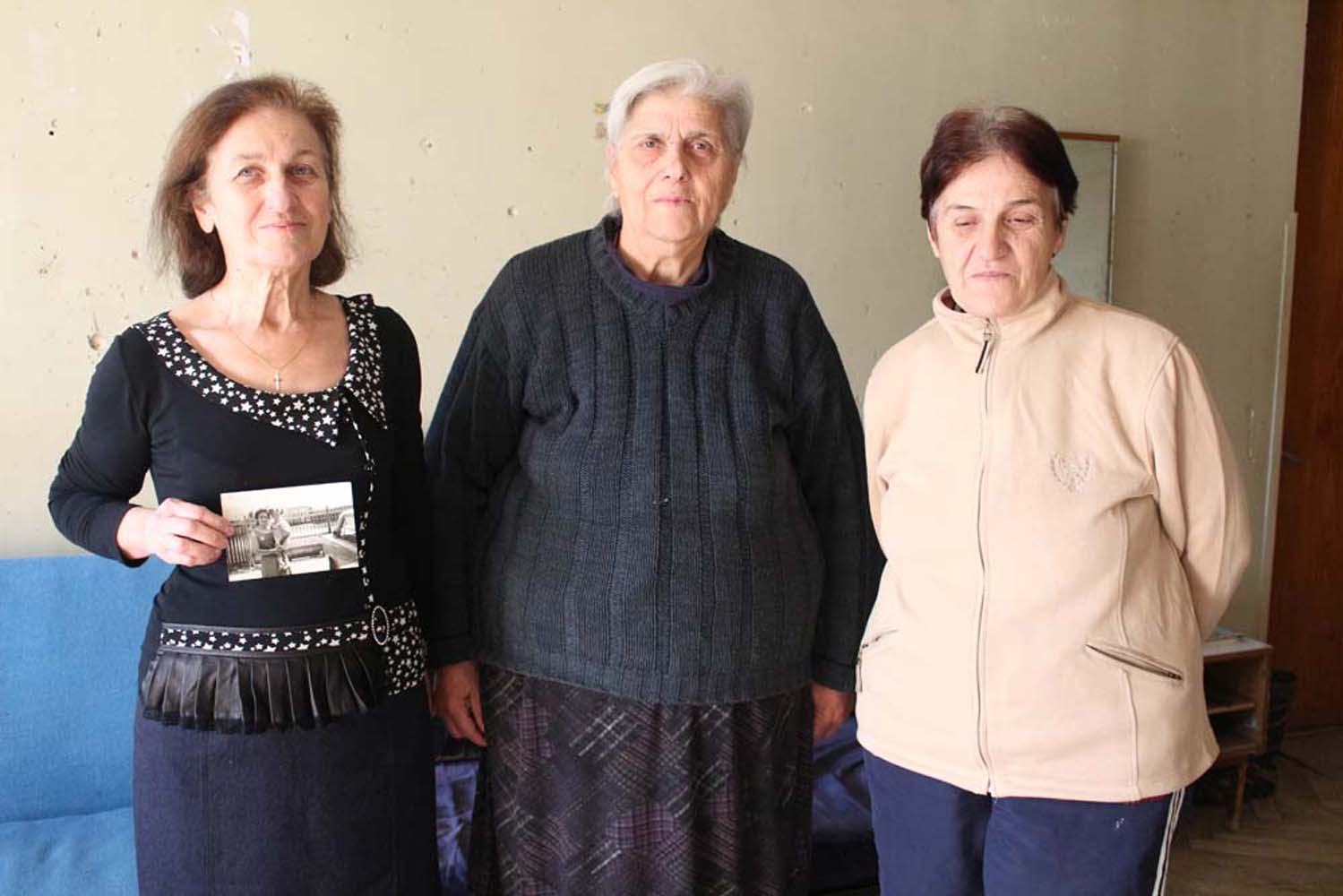
“It’s hard for me to talk. It is very difficult to talk about the past. What I had, what I have. I have seen nothing but destruction in the last 30 years.”

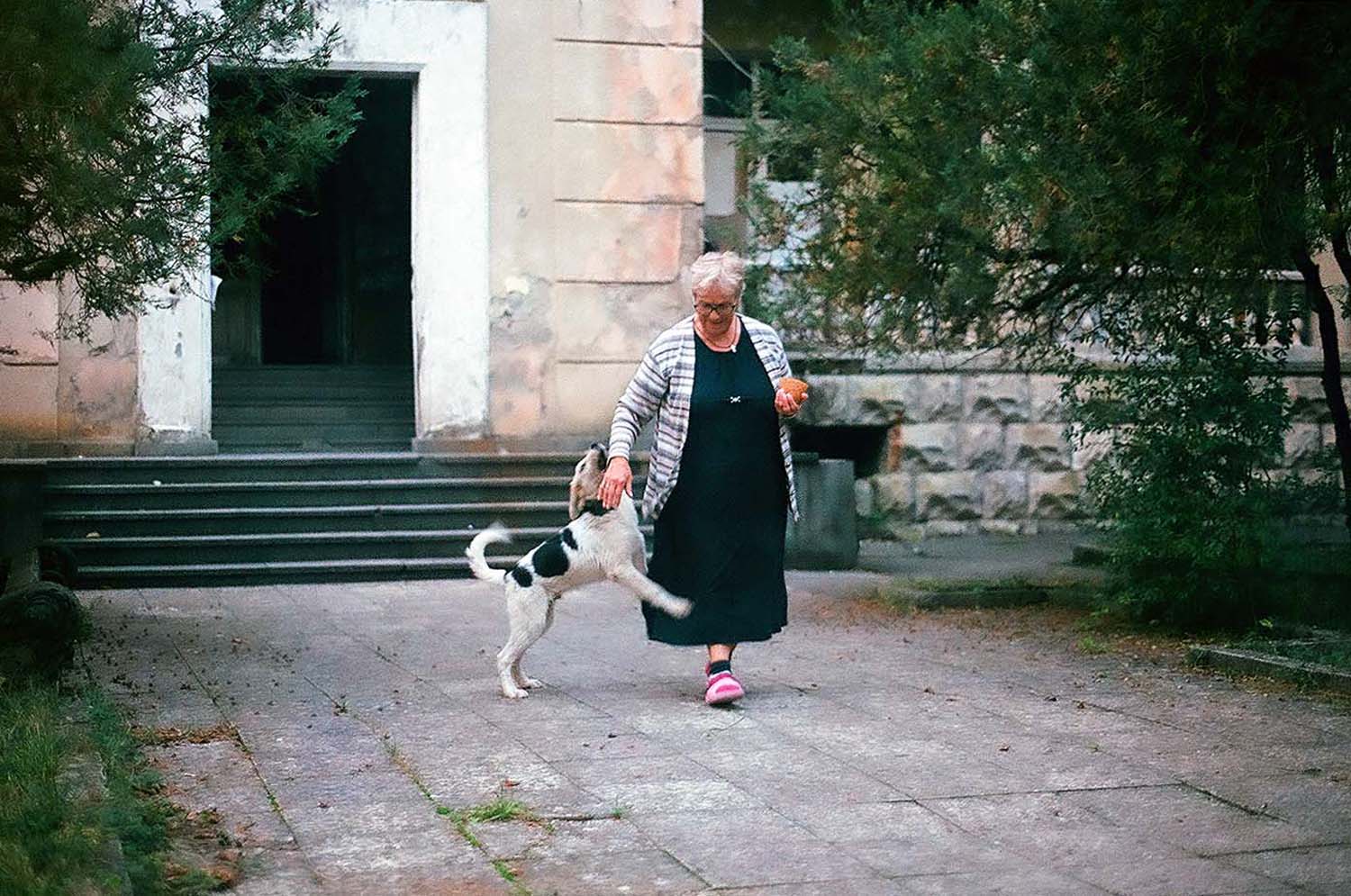
“It was very difficult to receive people in need. We did everything we could. On October 9, 1992, the first flow of IDPs arrived from Gagra-Gudauta, and then others followed. We distributed rooms for them, we created conditions as best as we could.”

“When the war starts, it is difficult to talk about its end. We were very busy. Now Ukraine is the same pain as Abkhazia and Tskaltubo for me. If your right hand hurts, your whole body hurts.”

Project funded by Slovak Arts Council