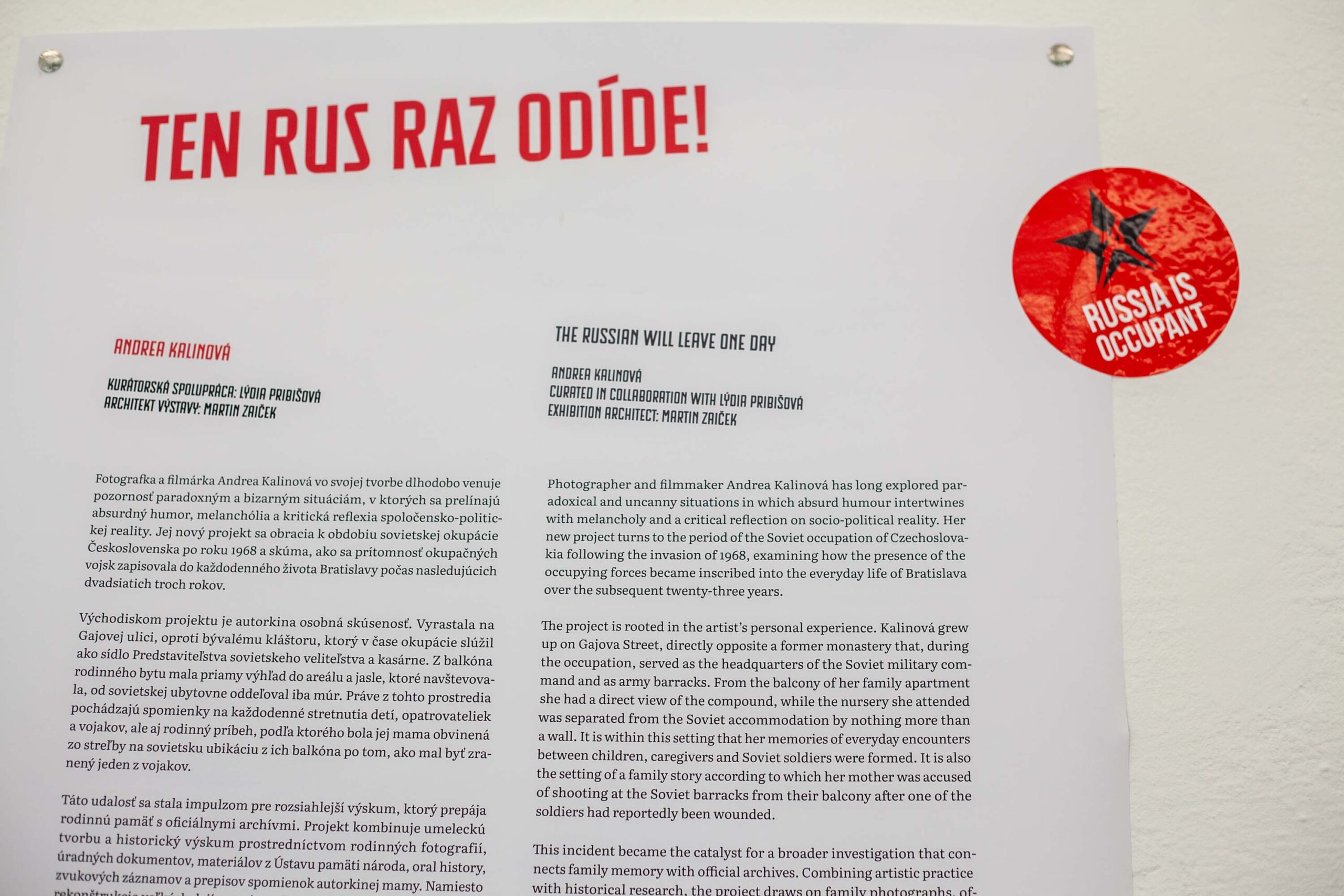
Ten Rus raz odíde
Fotografka a filmárka Andrea Kalinová vo svojej tvorbe dlhodobo venuje pozornosť paradoxným a bizarným situáciám, v ktorých sa prelínajú absurdný humor, melanchólia a kritická reflexia spoločensko-politickej reality. Jej nový projekt sa obracia k obdobiu sovietskej okupácie Československa po roku 1968 a skúma, ako sa prítomnosť okupačných vojsk zapisovala do každodenného života Bratislavy počas nasledujúcich dvadsiatich troch rokov.
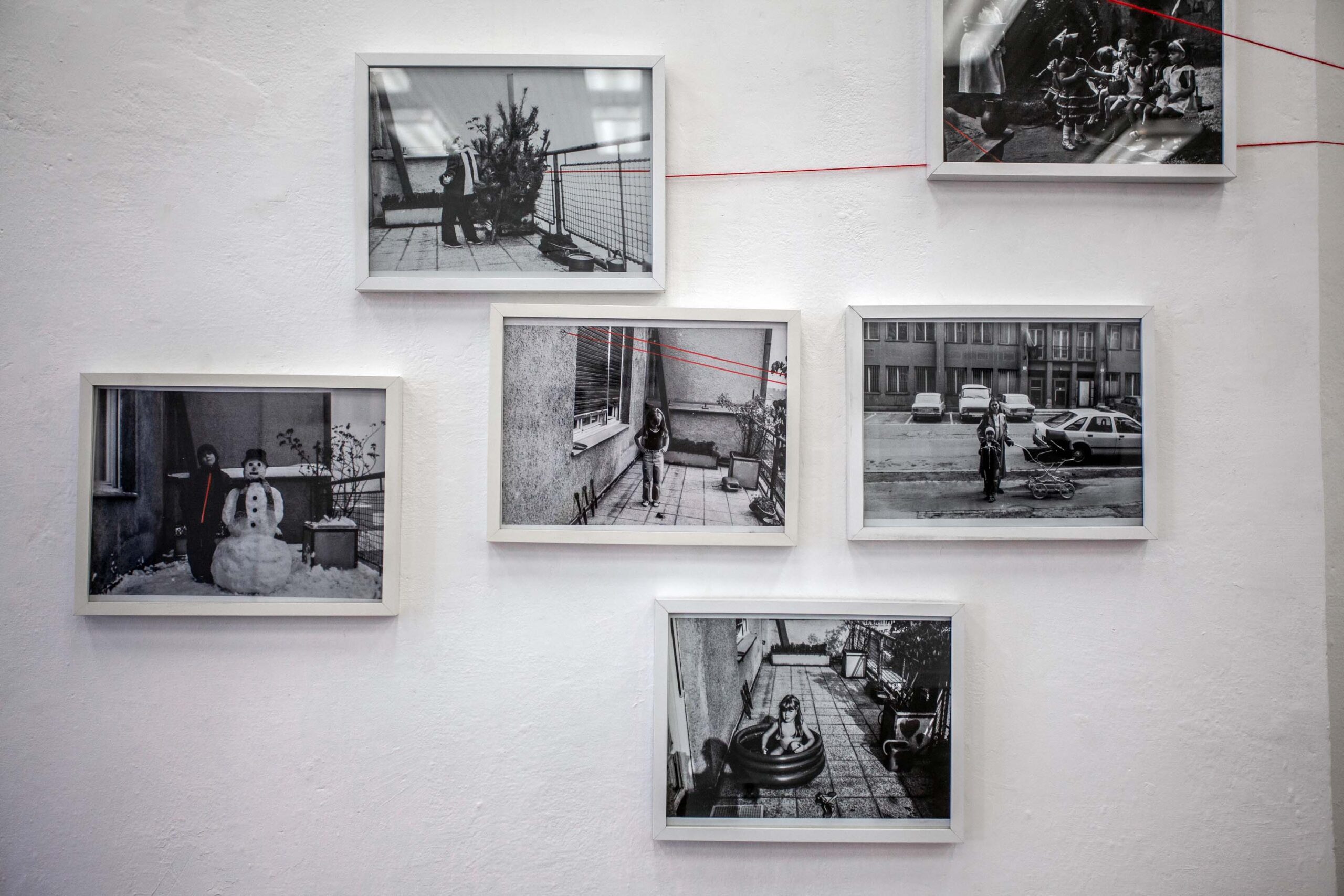
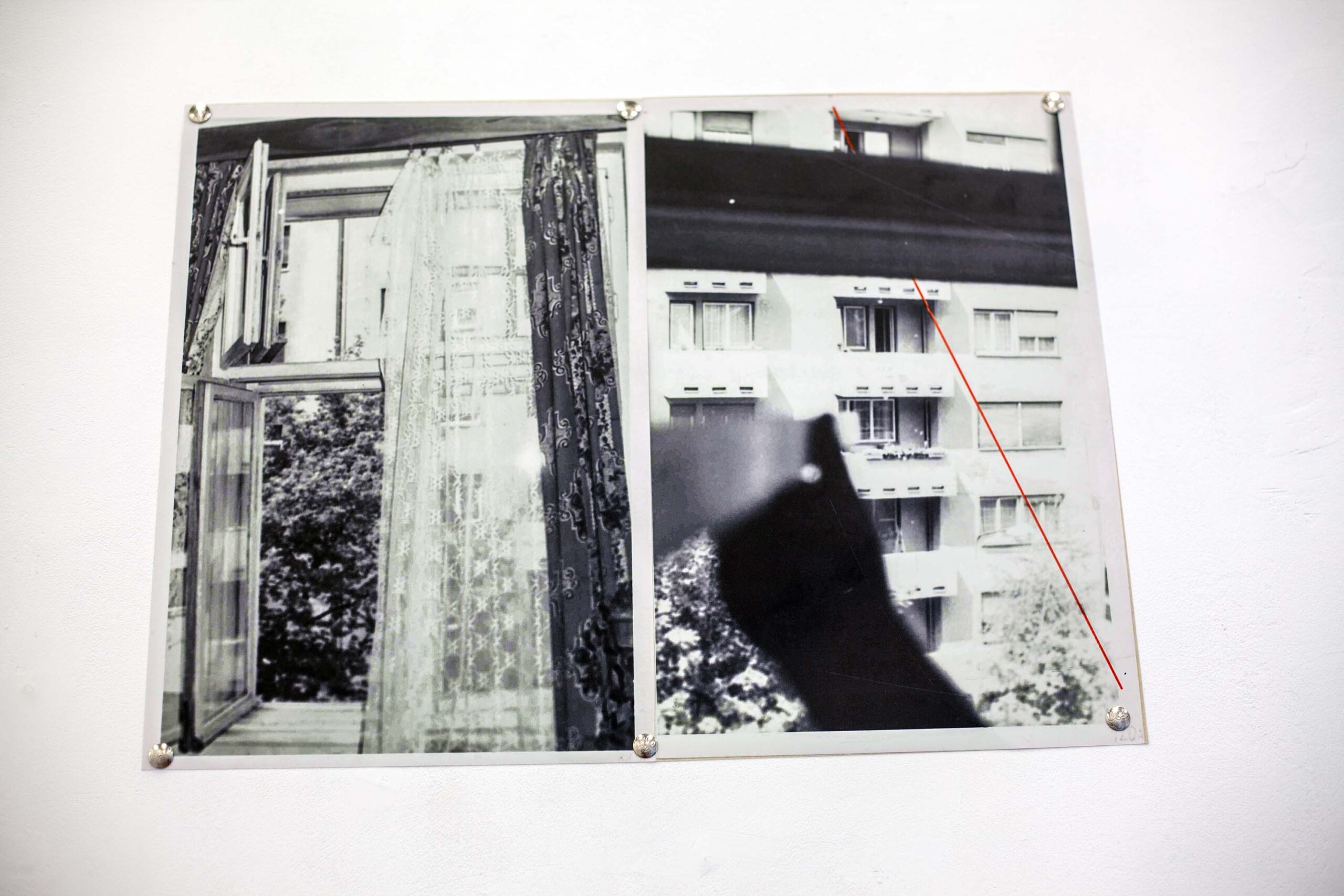
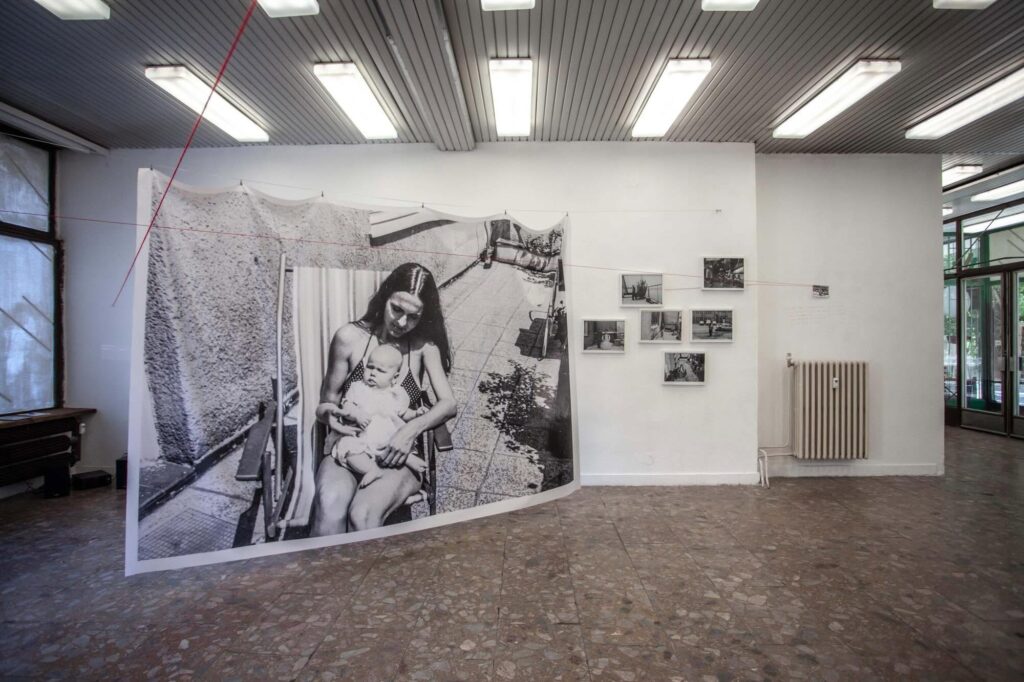
Východiskom projektu je autorkina osobná skúsenosť. Vyrastala na Gajovej ulici, oproti bývalému kláštoru, ktorý v čase okupácie slúžil ako sídlo Predstaviteľstva sovietskeho veliteľstva a kasárne. Z balkóna rodinného bytu mala priamy výhľad do areálu a jasle, ktoré navštevovala, od sovietskej ubytovne oddeľoval iba múr. Práve z tohto prostredia pochádzajú spomienky na každodenné stretnutia detí, opatrovateliek a vojakov, ale aj rodinný príbeh, podľa ktorého bola jej mama obvinená zo streľby na sovietsku ubikáciu z ich balkóna po tom, ako mal byť zranený jeden z vojakov.
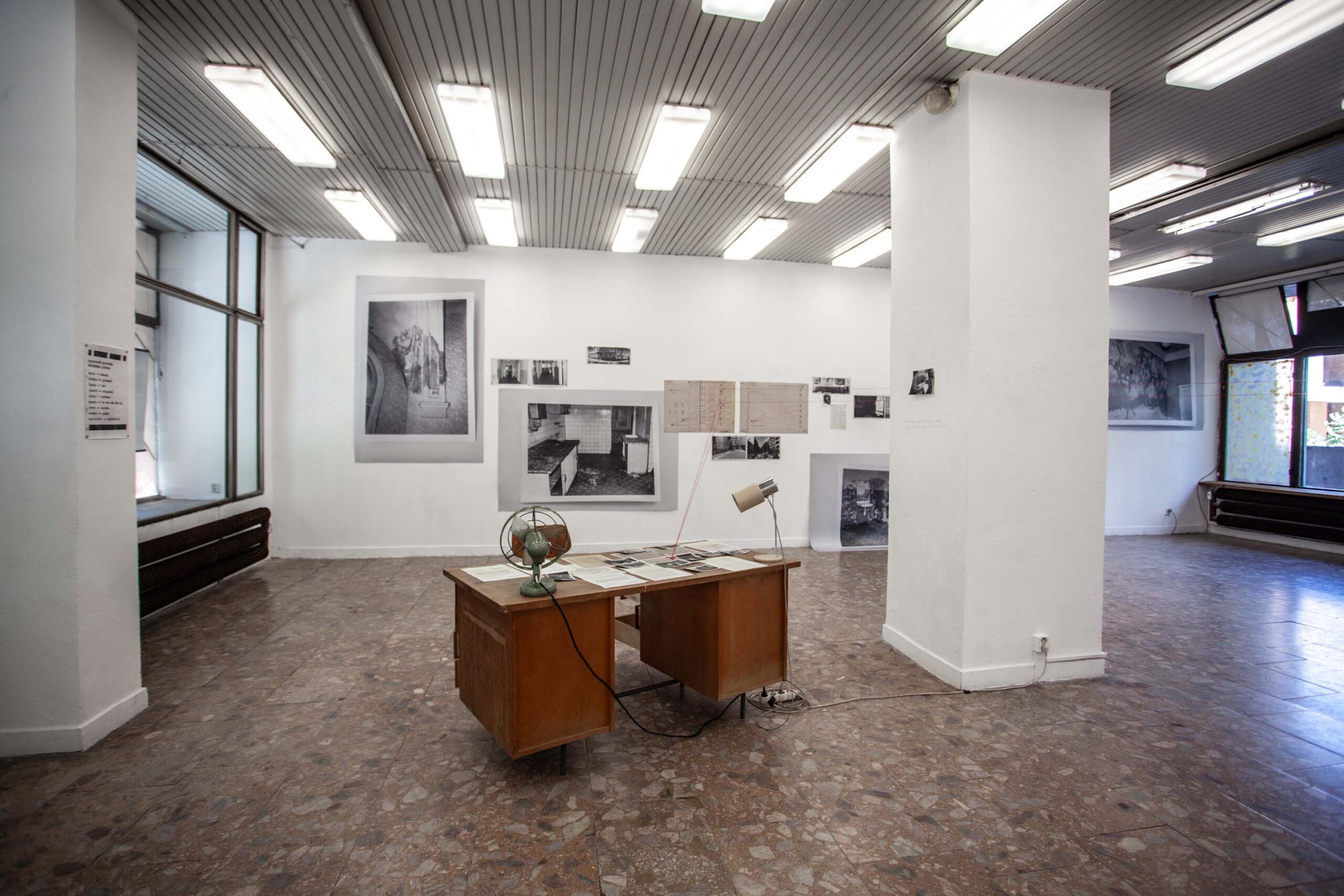
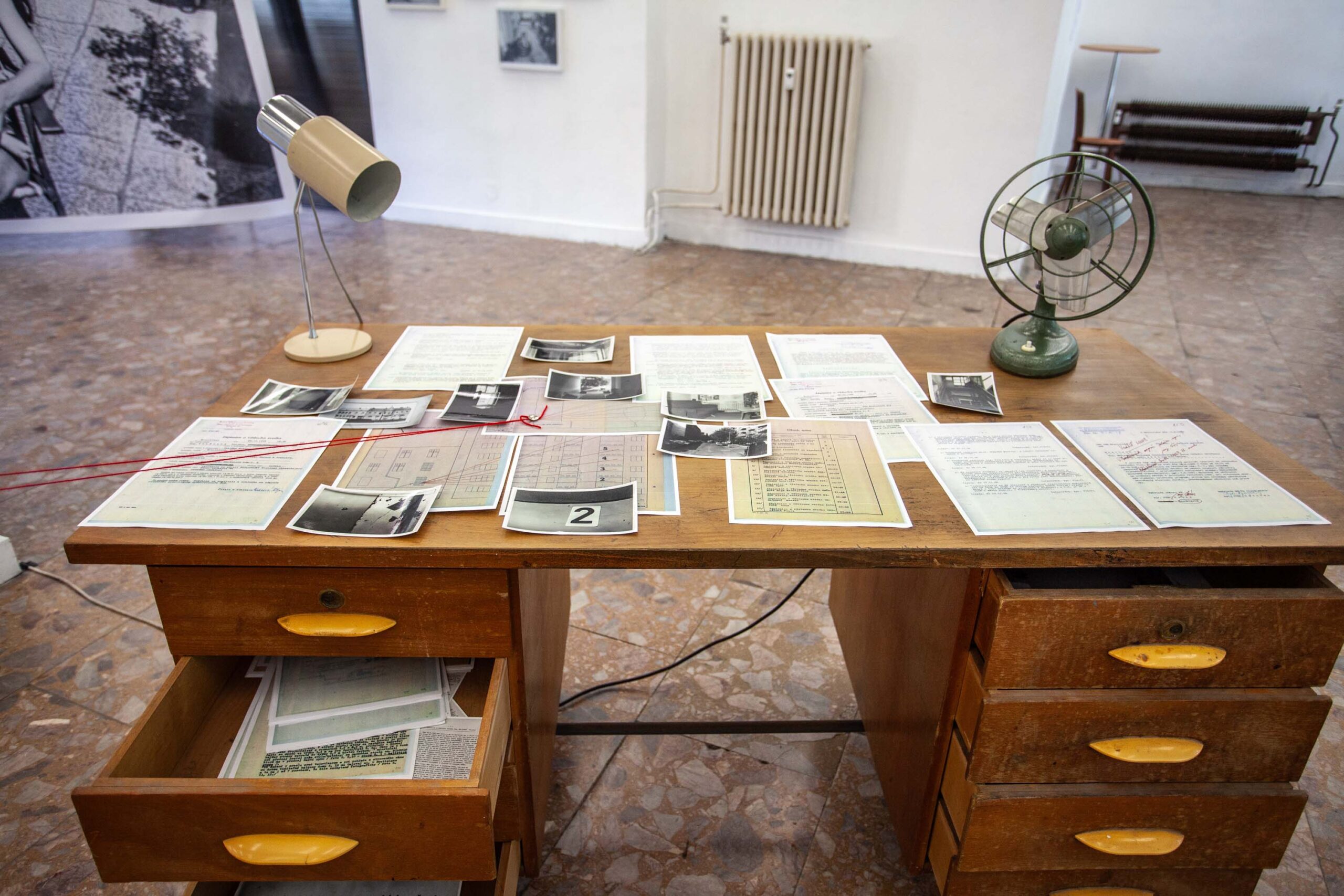
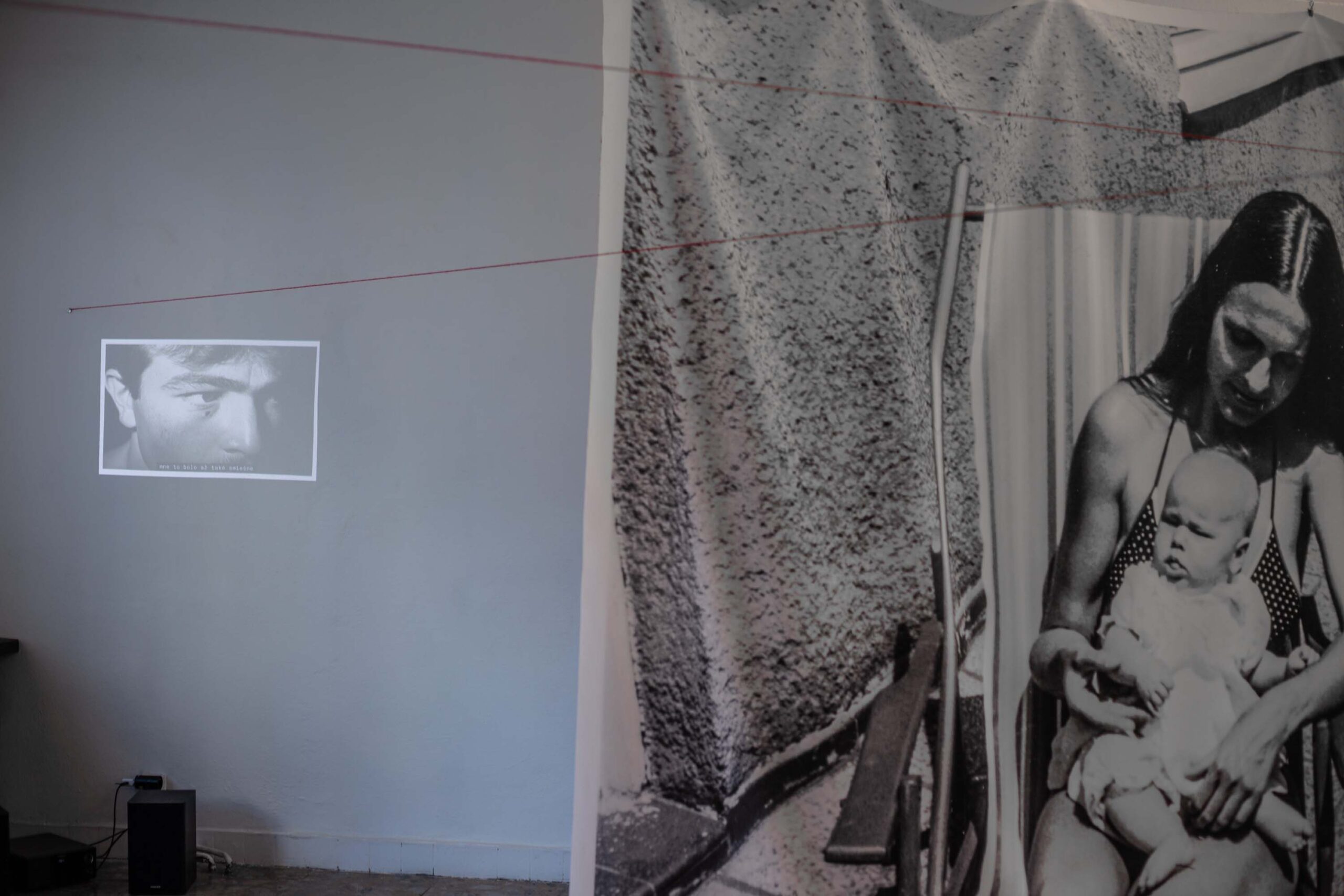
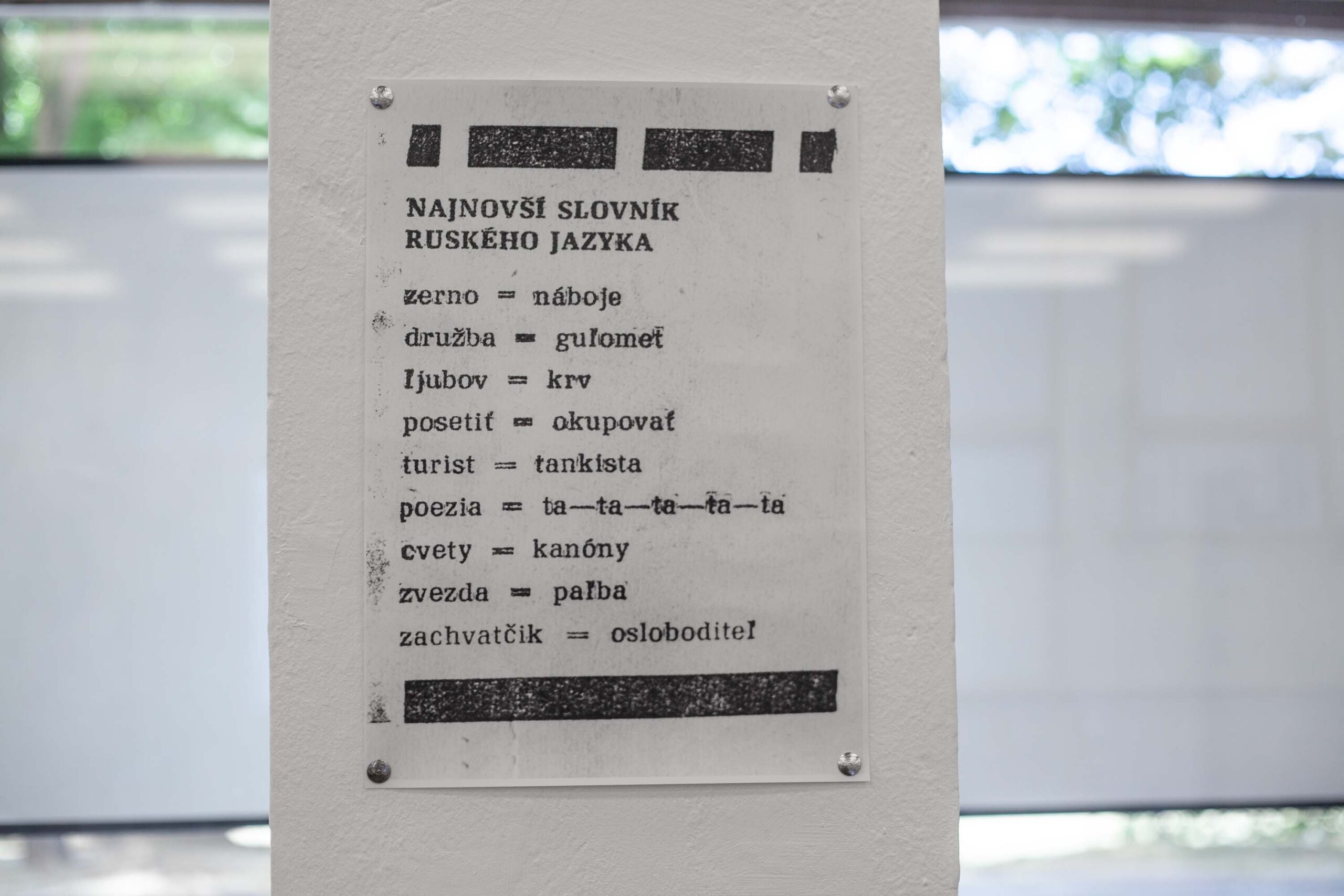
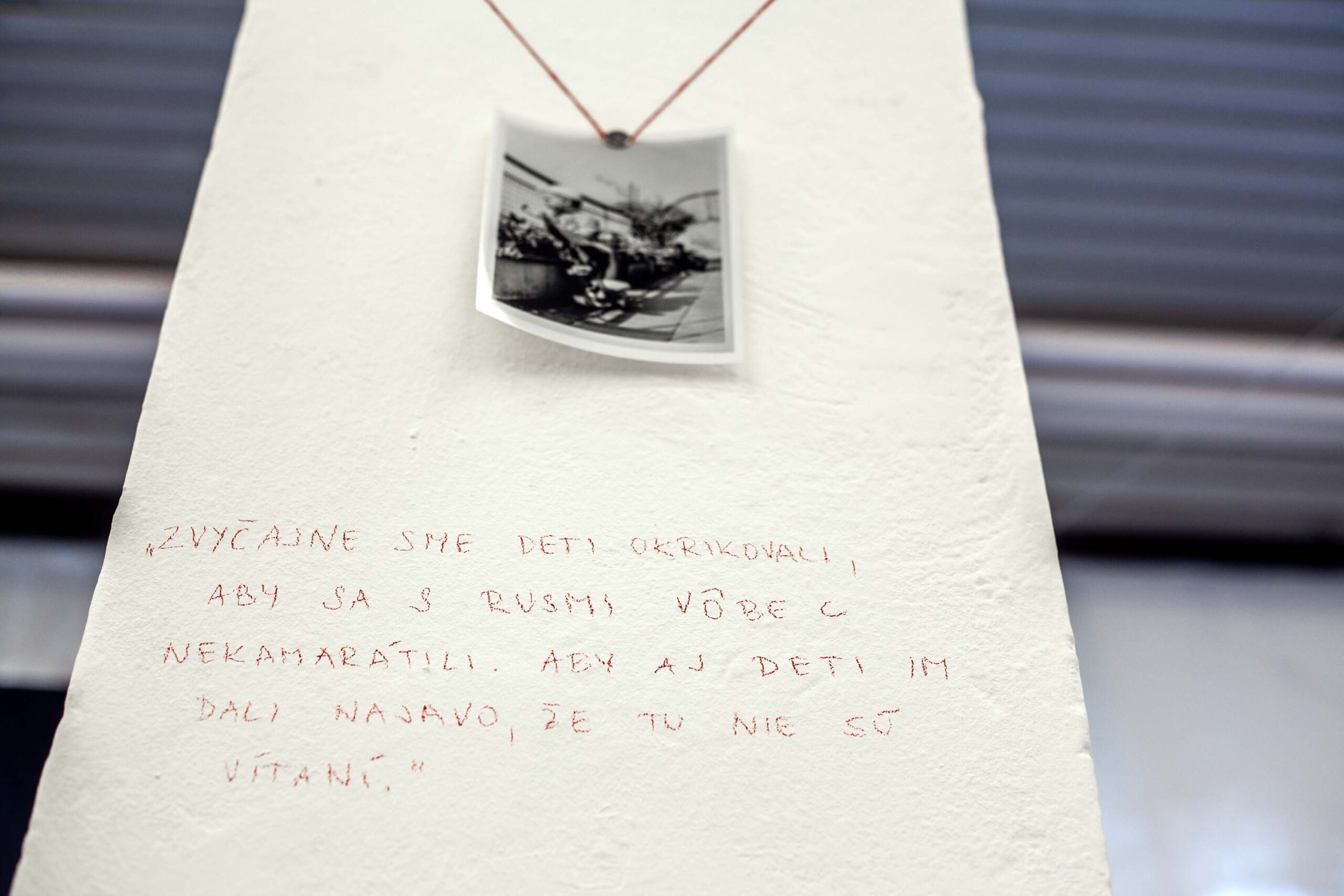
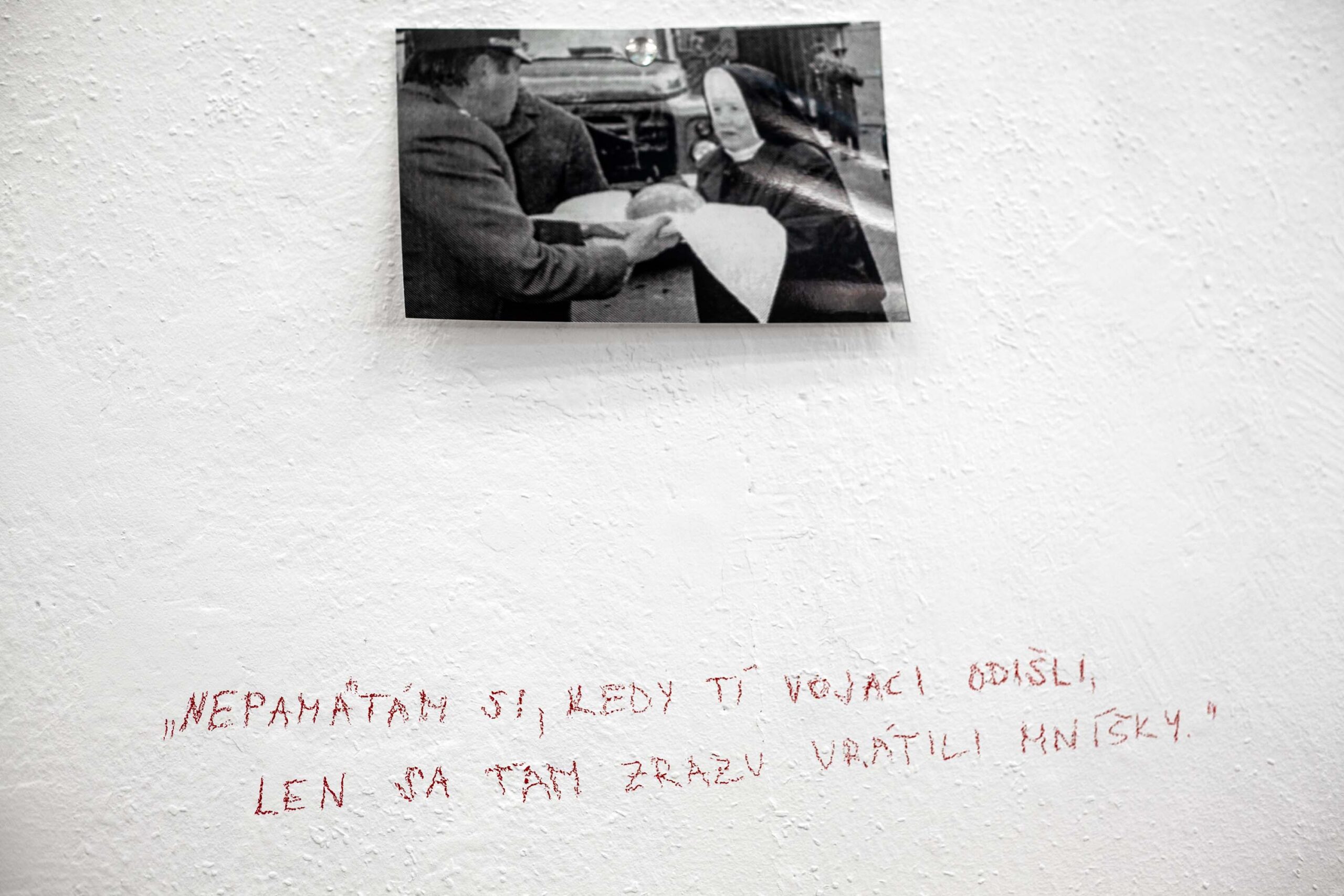
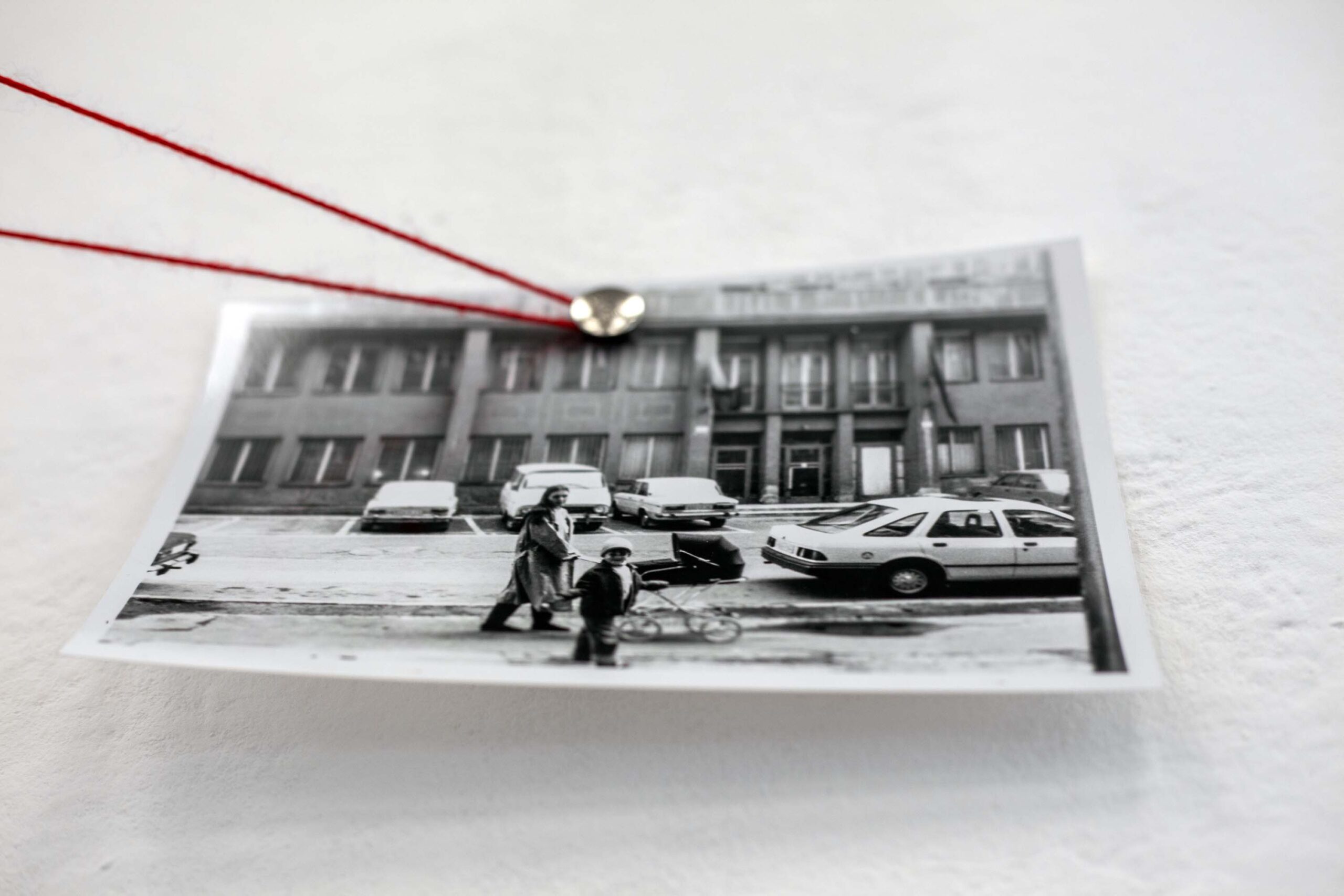
Táto udalosť sa stala impulzom pre rozsiahlejší výskum, ktorý prepája rodinnú pamäť s oficiálnymi archívmi. Projekt kombinuje umeleckú tvorbu a historický výskum prostredníctvom rodinných fotografií, úradných dokumentov, materiálov z Ústavu pamäti národa, oral history, zvukových záznamov a prepisov spomienok autorkinej mamy. Namiesto rekonštrukcie veľkých dejín sa sústreďuje na drobné každodenné situácie, v ktorých sa civilný život neustále stretával s okupačnou mocou.
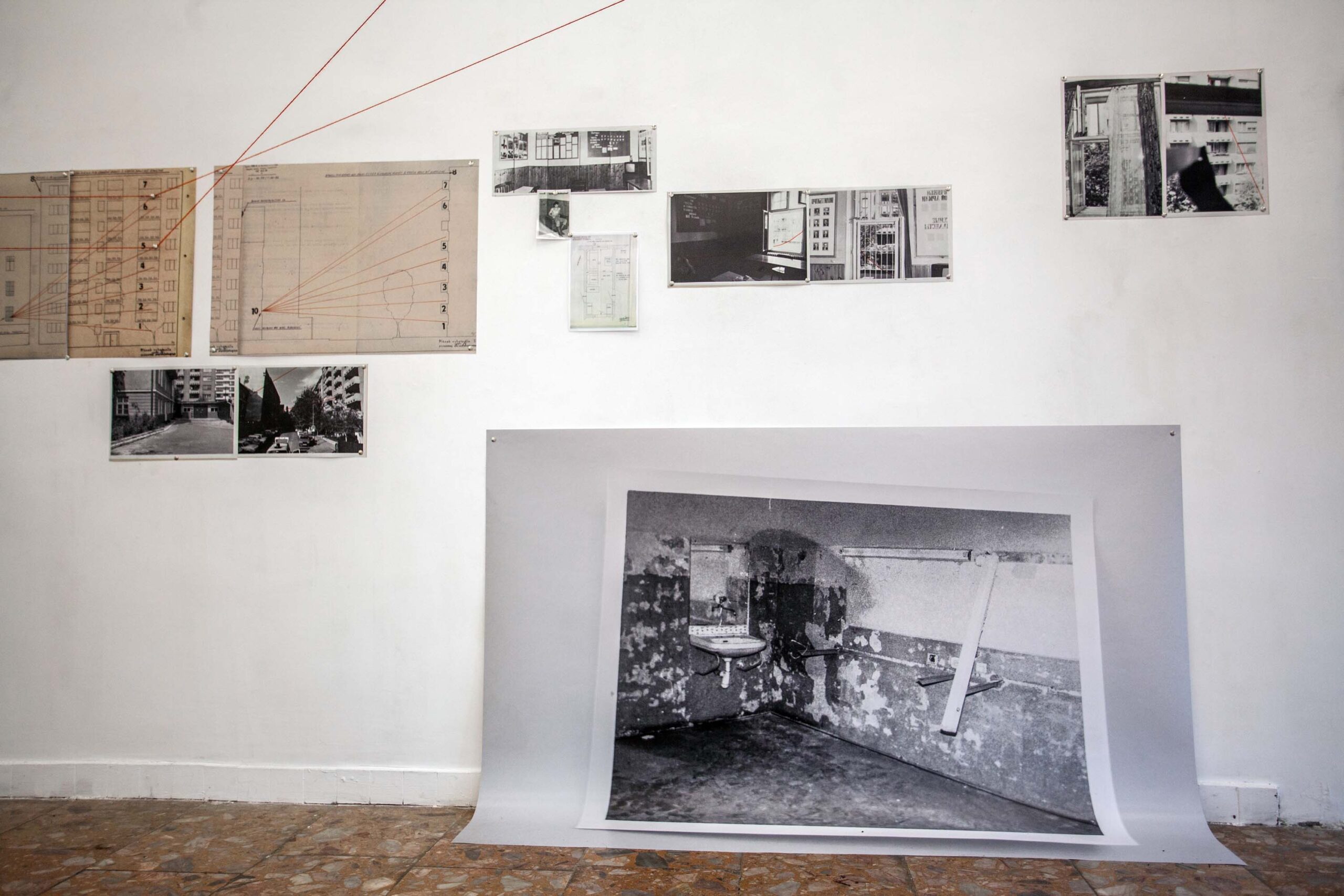
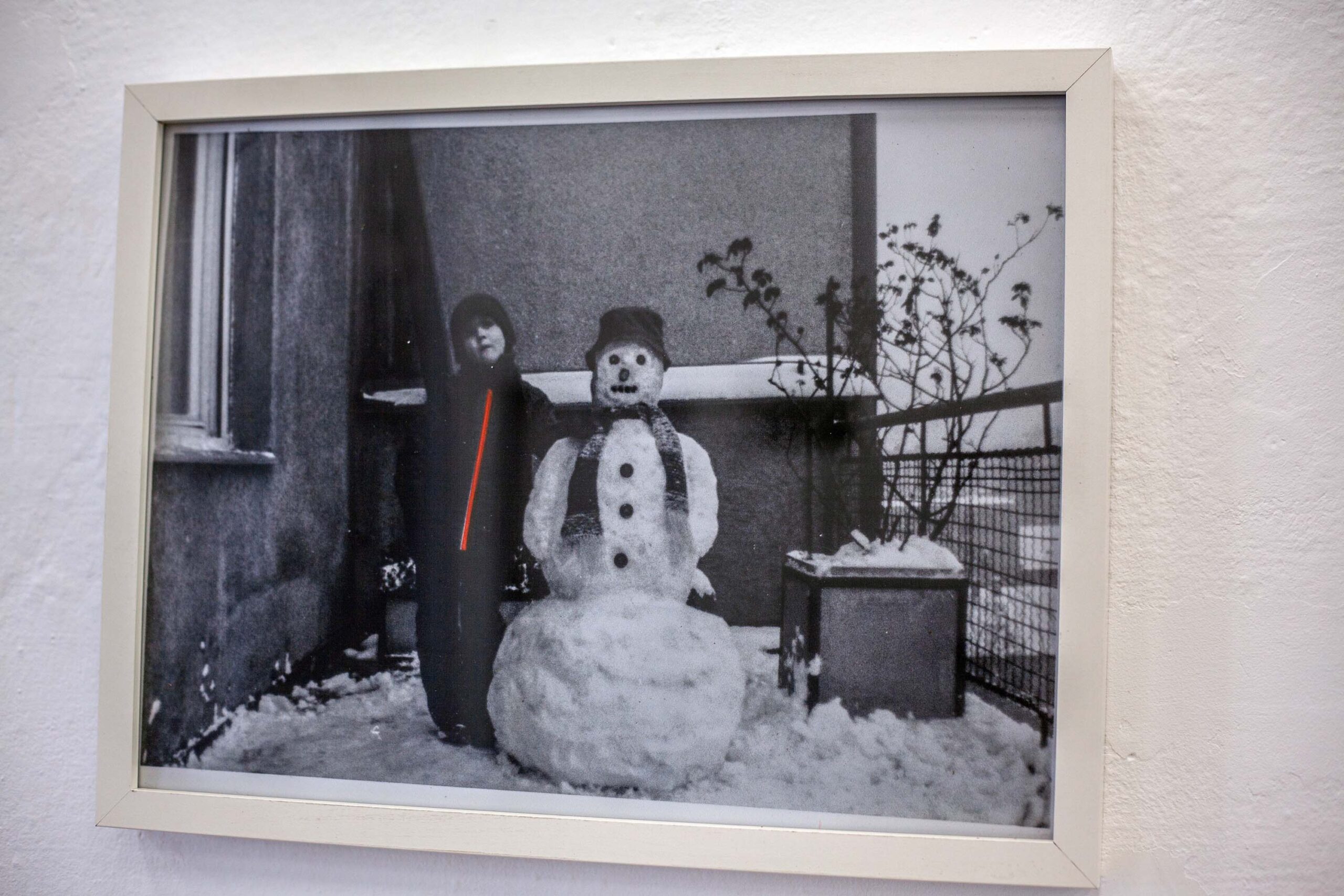
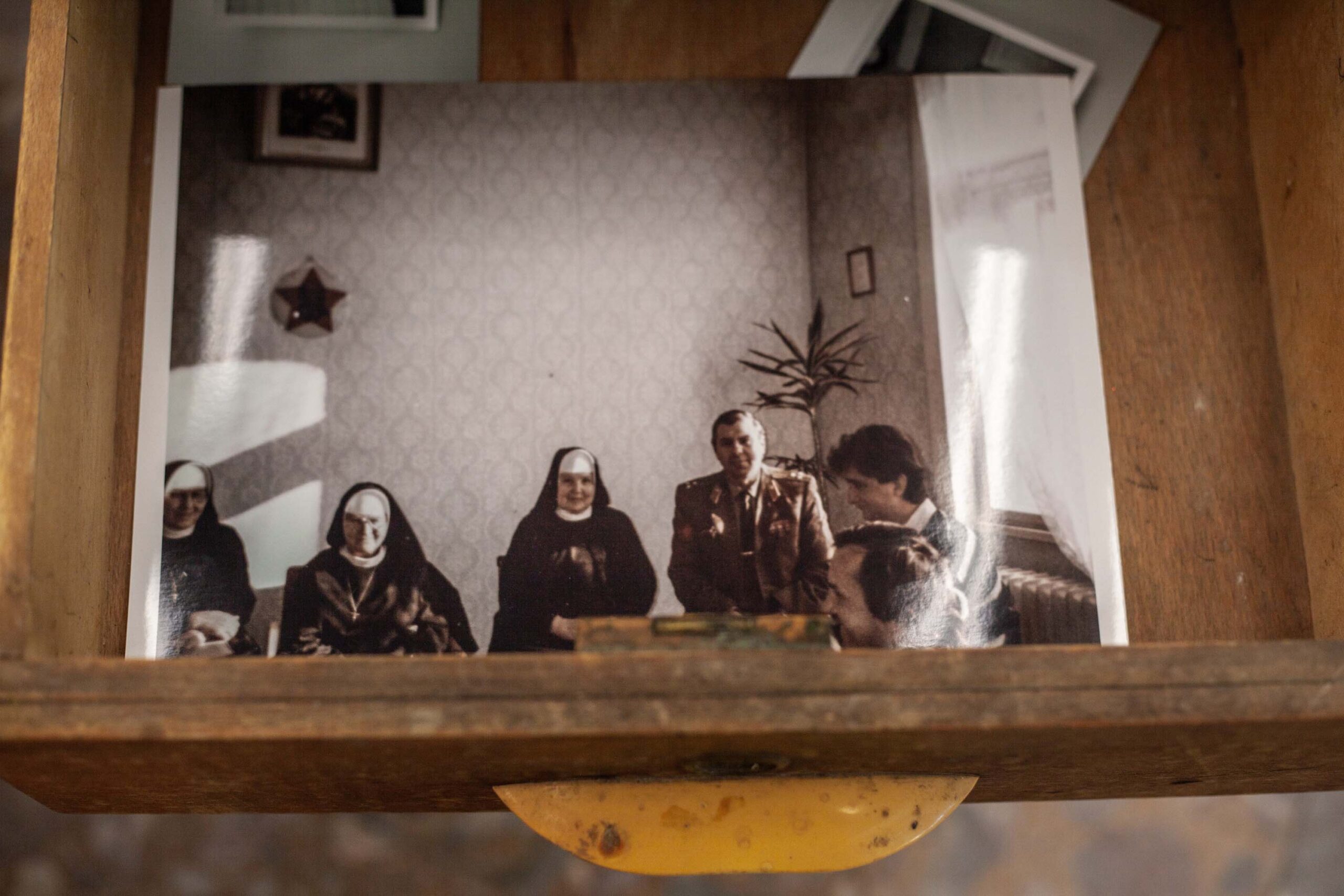
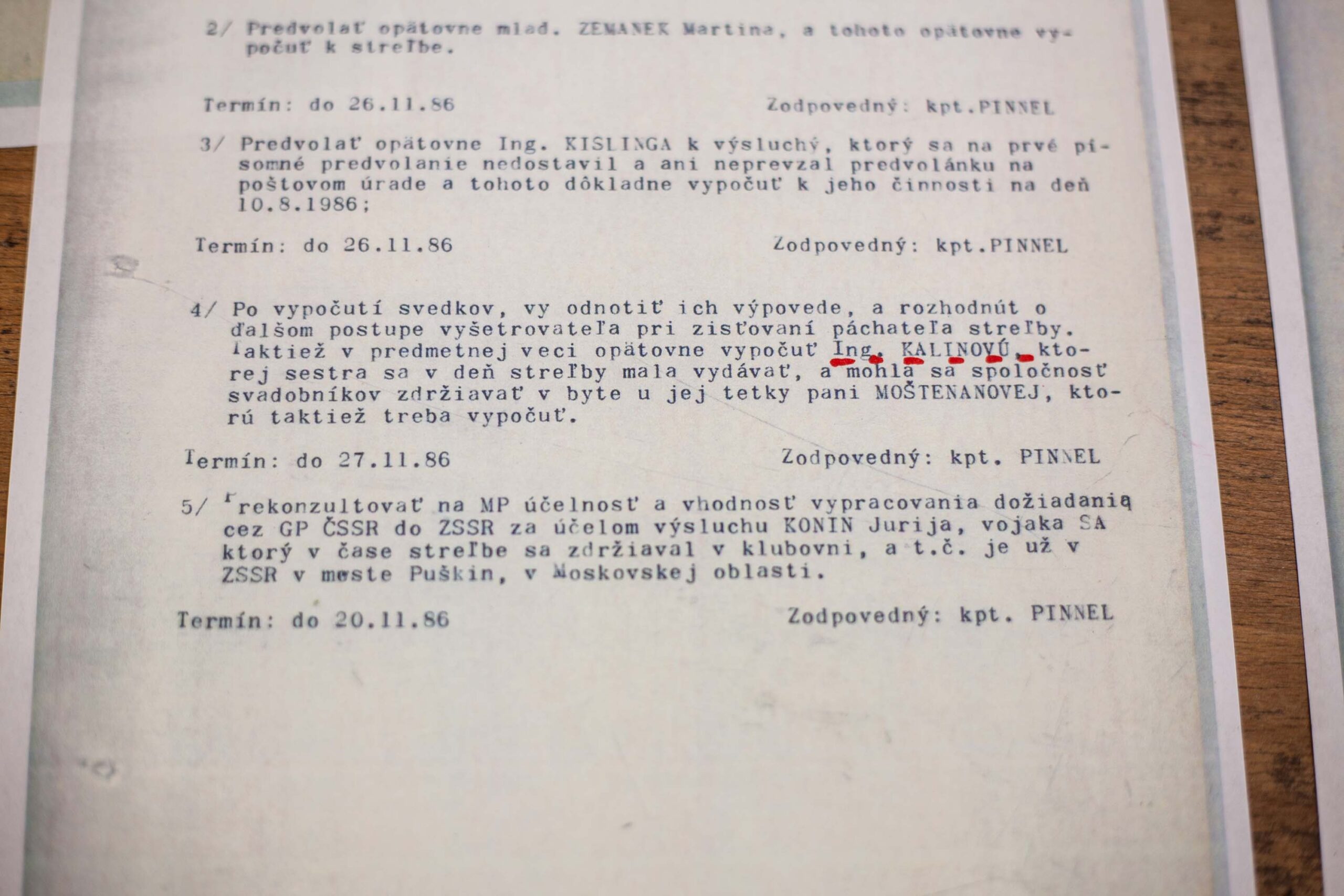
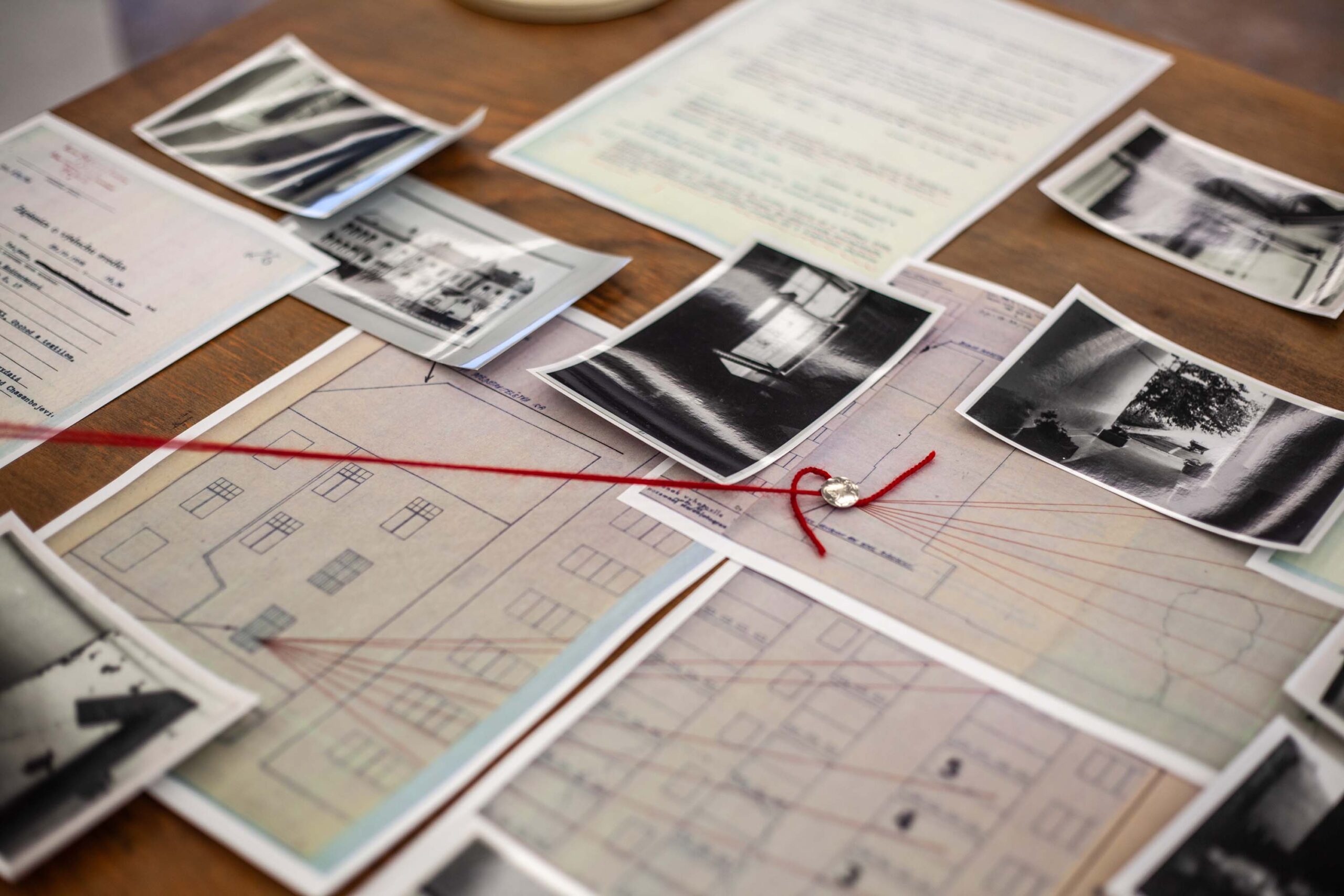
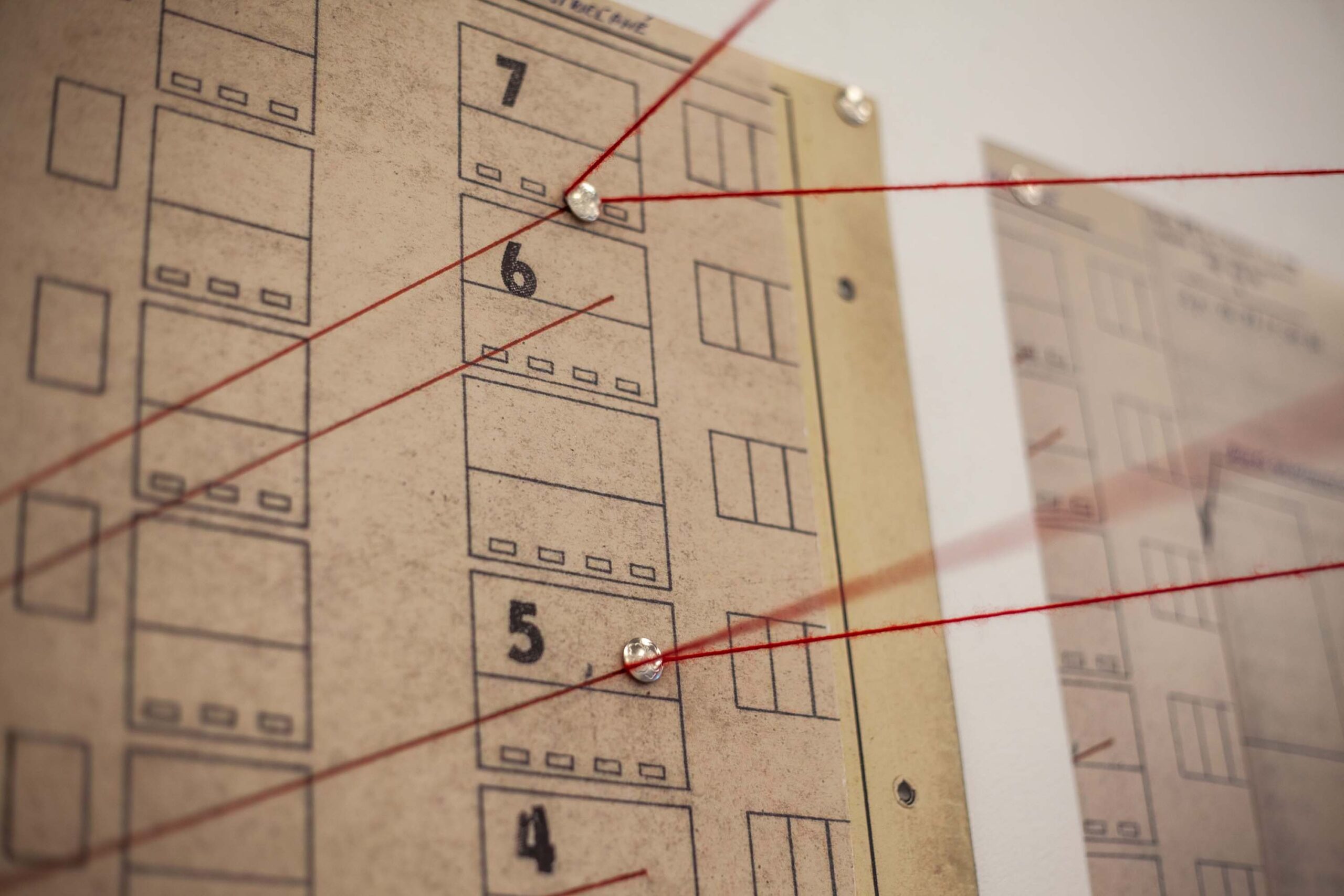
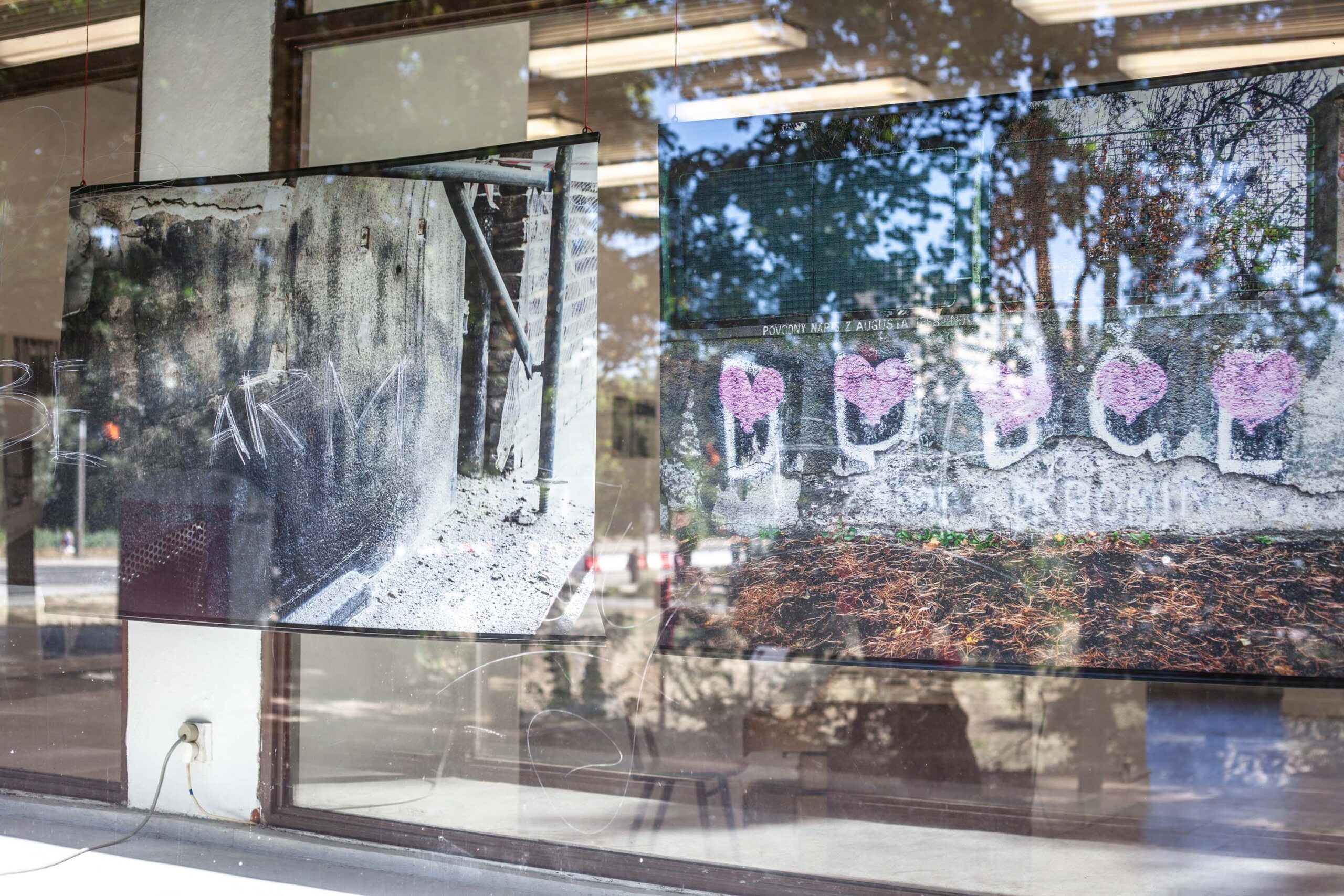
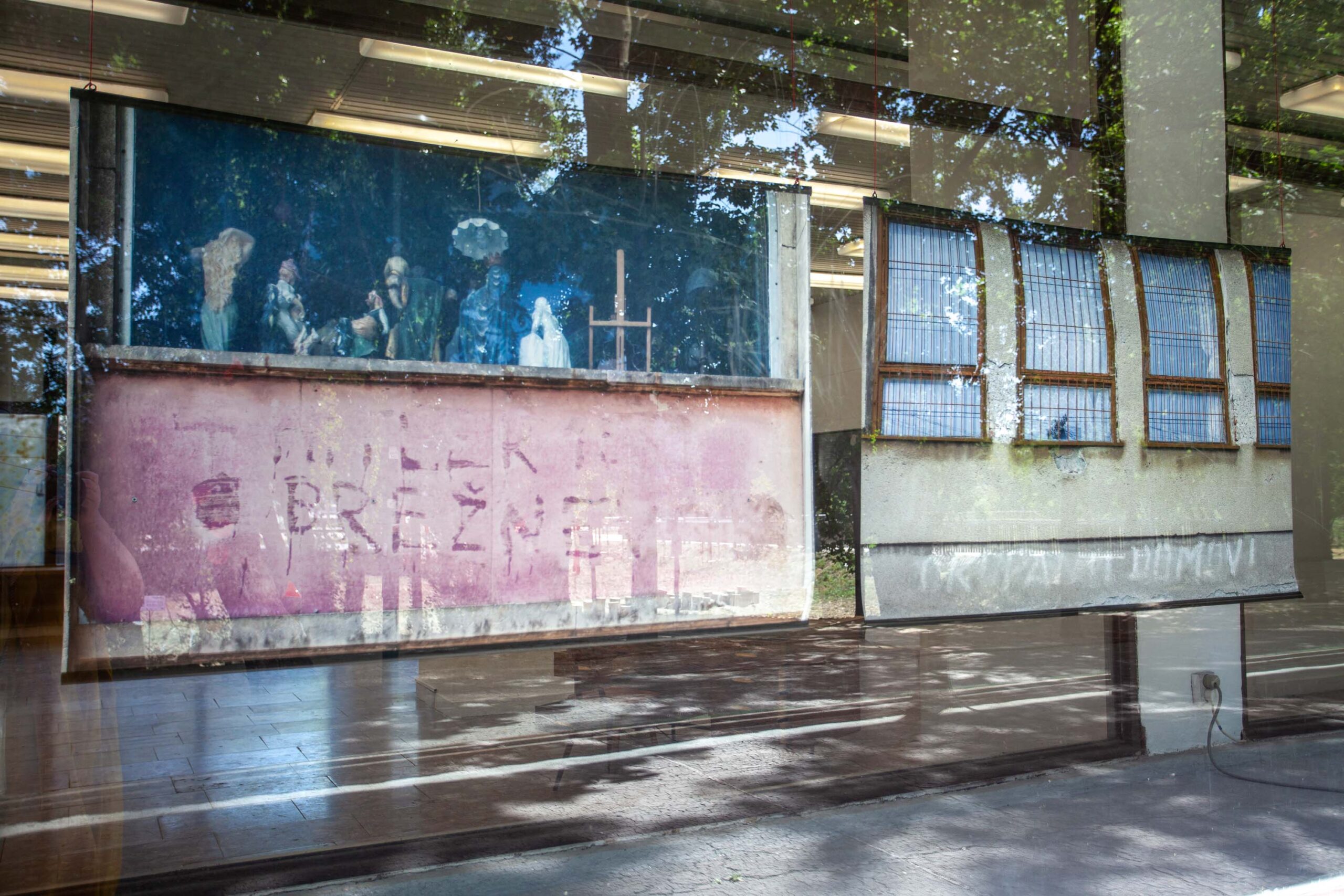
Na výstave sa predstavuje niekoľko vzájomne prepojených fotografických a dokumentárnych celkov. Rodinný archív zachytáva autorku ako dieťa na balkóne, z ktorého sa údajne strieľalo. Ďalší súbor dokumentuje interiér bývalého kláštora po jeho dlhoročnom využívaní sovietskou armádou, poznačený stopami necitlivého zaobchádzania. Archívne materiály dopĺňa zápisnica o vyšetrovaní streľby neznámeho páchateľa, zatiaľ čo vizuálny prieskum súčasnej Bratislavy mapuje nápisy a spontánne odkazy vo verejnom priestore, ktoré dodnes pripomínajú obdobie okupácie.
Názov výstavy priamo cituje výrok ministra obrany Slovenskej republiky, ktorý v súvislosti s vojnou na Ukrajine relativizoval potrebu obrany slovami: „Netreba sa brániť, lebo ten Rus raz odíde.“ V tomto kontexte nadobúda historická skúsenosť novú naliehavosť. Projekt neponúka uzavretý príbeh ani jednoznačné závery, ale prostredníctvom fragmentov pamäte, archívnych materiálov a osobných svedectiev otvára otázky o mechanizmoch okupácie, kolektívnej pamäti a spôsoboch, akými minulosť pretrváva v súčasnosti.
Projekt sa realizuje s finančnou podporou Nadácie mesta Bratislavy.
Photographer and filmmaker Andrea Kalinová has long explored paradoxical and uncanny situations in which absurd humour intertwines with melancholy and a critical reflection on socio-political reality. Her new project turns to the period of the Soviet occupation of Czechoslovakia following the invasion of 1968, examining how the presence of the occupying forces became inscribed into the everyday life of Bratislava over the subsequent twenty-three years.
The project is rooted in the artist’s personal experience. Kalinová grew up on Gajova Street, directly opposite a former monastery that, during the occupation, served as the headquarters of the Soviet military command and as army barracks. From the balcony of her family apartment she had a direct view of the compound, while the nursery she attended was separated from the Soviet accommodation by nothing more than a wall. It is within this setting that her memories of everyday encounters between children, caregivers and Soviet soldiers were formed. It is also the setting of a family story according to which her mother was accused of shooting at the Soviet barracks from their balcony after one of the soldiers had reportedly been wounded.
This incident became the catalyst for a broader investigation that connects family memory with official archives. Combining artistic practice with historical research, the project draws on family photographs, official documents, materials from the Nation’s Memory Institute, oral histories, sound recordings, and transcripts of the artist’s mother’s recollections. Rather than reconstructing grand historical narratives, it focuses on seemingly ordinary situations in which civilian life constantly intersected with the realities of military occupation.
The exhibition presents several interconnected photographic and documentary bodies of work. The family archive includes photographs of the artist as a child standing on the balcony from which the alleged shooting took place. Another series documents the interior of the former monastery after decades of use by the Soviet army, bearing traces of neglect and insensitive treatment. Archival materials include the official investigation report into the shooting by an unidentified perpetrator, while a visual survey of present-day Bratislava maps inscriptions and spontaneous traces in public space that continue to evoke the memory of the occupation.
The exhibition’s title directly quotes a statement made by the Slovak Minister of Defence, who, commenting on Russia’s war against Ukraine, downplayed the need for defence by saying: “There is no need to defend ourselves, because the Russian will leave one day.” Within this context, the historical experience acquires renewed urgency. Rather than offering a closed narrative or definitive conclusions, the project uses fragments of memory, archival documents and personal testimonies to raise questions about the mechanisms of occupation, collective memory, and the ways in which the past continues to shape the present.